I kept saying I had no time for friends: How a time tracker gave me my social life back
We’ve all been there—scrolling through messages, seeing a friend’s invite, and thinking, I’d love to, but I just don’t have the time. I believed that too, until I realized my days were vanishing into emails, chores, and endless to-do lists. I missed dinners, skipped calls, and felt lonelier than ever. Then I tried something simple: a time-tracking app. It didn’t just show me where my hours went—it gave me back the moments I thought I’d lost. This is how it helped me reconnect, one honest minute at a time.
The Lonely Truth Behind a Packed Schedule
There’s a quiet sadness that creeps in when you keep saying no. Not because you don’t want to say yes, but because your calendar says otherwise. I used to wear my busy schedule like a badge of honor—back-to-back tasks, school pickups, grocery runs, work deadlines. I told myself I was being responsible, productive, a good mom, a good employee. But the truth? I was becoming a ghost in my own life. Friends would text about a weekend hike or a quiet lunch, and I’d smile at the idea, then sigh and type, So sorry, I’m swamped this week. And I was. Or at least, I thought I was.
Then one night, I found an old photo of me and three girlfriends laughing around a dinner table. We looked so close, so present. I realized it had been over eight months since we’d all been together. Not because we’d grown apart, not because anyone was upset—just because no one had the time. And that hit me hard. I wasn’t just missing events; I was missing connection. I started noticing how often I’d scroll past birthday wishes, promise to call back tomorrow, and then forget. The loneliness wasn’t loud—it was soft, like a slow leak in a tire. You don’t notice it until the ride feels off.
What I didn’t realize then was that my problem wasn’t lack of time. It was lack of awareness. I assumed I knew how my day flowed, but I didn’t. I was operating on instinct, emotion, and guilt—I should be working, I need to clean, I’ll call later. But later never came. And the cost wasn’t just missed plans. It was a growing sense of isolation, even in the middle of a full house. I had everything together on paper, but something essential was slipping through the cracks: the people who made life feel rich.
How Time Tracking Became My Unexpected Social Coach
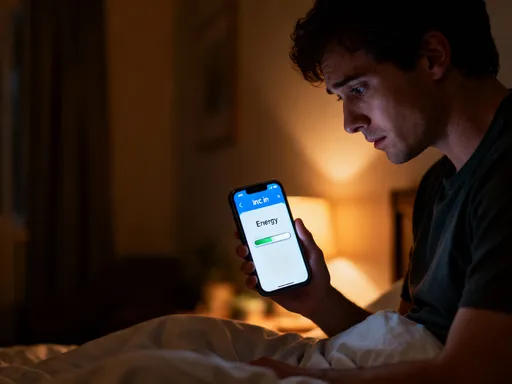
I downloaded a time-tracking app on a whim. Honestly, I thought it was for people who needed to bill hours or manage teams. But I was desperate. I needed to understand where my time was going. I picked one that was simple—just tap to start a task, tap to stop. No complicated dashboards, no pressure. I labeled things like work emails, kids’ homework, meal prep, laundry, and even scrolling social media. I told myself I’d try it for three days. No judgment. Just data.
What I saw shocked me. On paper, I worked about six hours a day. The app said I spent nearly nine on work-related tasks. But here’s the kicker: only about half of that time was actual productive work. The rest? Checking emails repeatedly, answering messages as they popped up, jumping between tabs, and thinking I was working while doing very little. And social media? I thought I spent 20 minutes a day. It was closer to 75. That’s more than an hour—time I could have used to call my sister, text a friend back, or even just sit and breathe.
But here’s what surprised me most: the app didn’t make me feel guilty. It made me feel seen. It wasn’t shaming me for wasting time. It was showing me the truth—quietly, clearly. And in that clarity, I found hope. Because if I could see where time was leaking, maybe I could plug the holes. Maybe I didn’t need more hours in the day. Maybe I just needed to use the ones I had differently. And the first thing I wanted to use them for? Reconnecting. Not someday. Now.
Seeing the Hidden Gaps: Where Did the Time Actually Go?
The real eye-opener came when I reviewed my weekly report. It wasn’t just about the big chunks of time—it was the tiny gaps that added up. Five minutes here checking email. Ten minutes there scrolling through news. Fifteen minutes in a meeting that could’ve been an email. Thirty minutes deciding what to cook for dinner while standing in front of the fridge. These moments felt harmless in the moment, but together, they were stealing nearly two hours a day. Two hours! That’s enough time to have coffee with a friend, take a walk with your mom, or even start a hobby you’ve been putting off.
I started noticing patterns. I’d check email first thing in the morning, then get pulled into responses before even making coffee. I’d promise myself I’d only scroll for five minutes, but the app showed I often lost 20 or more. I scheduled back-to-back tasks but didn’t account for transition time, so I’d rush from one thing to the next, stressed and scattered. And the worst part? I wasn’t even enjoying most of it. I wasn’t bonding with my kids during screen time. I wasn’t growing my career during endless email threads. I was just… busy. And busy doesn’t always mean meaningful.
So I made small changes. I set a rule: no email or social media for the first 30 minutes of the day. I used the app to time my screen use and set gentle reminders when I hit 30 minutes. I started batching similar tasks—answering all messages at once, doing all errands in one trip. I even began scheduling buffer time between tasks, so I wasn’t rushing. And slowly, something magical happened: I started finding time. Not extra hours, but reclaimed ones. And I decided to use them for something that mattered—connection.
From Awareness to Action: Scheduling Friendships Like Work Meetings
Here’s a truth I had to learn: if you don’t schedule it, it probably won’t happen. I used to think socializing should be spontaneous. We’ll catch up when we can, I’d say. But when I looked at my calendar, I saw dentist appointments, work calls, school events—but nothing for friends. Not one slot. And yet, I expected relationships to thrive? That’s like expecting a plant to grow without water.
So I started treating friendship like an essential appointment. I opened my calendar and blocked time just like I would for a doctor’s visit. Call Lisa – 30 min. Coffee with Maya – 1 hr. I even added reminders so I wouldn’t forget. At first, it felt strange. Was I really scheduling friendship? But then I realized: I already scheduled everything else. Why not this? The time-tracking app helped me assign labels like connect, recharge, and family time. Seeing those blocks on my report made me proud. It wasn’t just about productivity anymore. It was about balance.
And guess what? When I started showing up—on time, present, prepared—my friendships changed. I wasn’t canceling last minute. I wasn’t distracted during calls. I was there. One friend said, You seem more like yourself lately. And I realized I was. I wasn’t just making time for others—I was making space for myself. The app didn’t create the time. I did. But it gave me the clarity to see where I could make room.
Building a Habit: Making Social Time Non-Negotiable
One coffee date is nice. A pattern is transformative. The real shift happened when I stopped seeing social time as an exception and started seeing it as a habit. I reviewed my weekly reports not to judge myself, but to celebrate progress. Instead of looking at how many tasks I’d completed, I looked at how much time I’d spent connecting. And when I saw Time with Friends: 2.5 hours that week, I felt a quiet pride. It wasn’t about being perfect. It was about being consistent.
I began planning ahead. If I knew a busy week was coming, I’d schedule a quick call or a short walk with a neighbor. I started saying no to things that drained me but didn’t matter—like attending every single school committee meeting or over-planning meals. I protected my social time like I would a doctor’s appointment. Because in a way, it was just as important. Connection isn’t fluff. It’s fuel. And when I prioritized it, everything else felt lighter.
The app became less of a tracker and more of a mirror. It reflected not just my hours, but my values. When I saw that I spent more time on connect than mindless scrolling, I knew I was moving in the right direction. And the more I did it, the easier it became. My friends noticed. They started reaching out more. Our conversations felt deeper. We weren’t just catching up—we were staying connected.
The Ripple Effect: Stronger Bonds, Lighter Stress
Here’s what I didn’t expect: fixing my social time didn’t just help my friendships. It improved everything. I felt less stressed. My mood lifted. I had more patience with my kids. I even focused better at work. Why? Because I wasn’t carrying the quiet weight of loneliness anymore. I had people to talk to, to laugh with, to lean on. And that made the hard days easier and the good days brighter.
One afternoon, I had a tough work call that left me feeling drained. Normally, I’d shut down, snap at someone, or scroll mindlessly to recover. But this time, I looked at my calendar and saw I had a 20-minute call with my cousin scheduled. I took it. We didn’t solve world problems. We just talked—about her garden, my daughter’s soccer game, a funny meme. And by the end, I felt recharged. Not because of what we said, but because I felt seen. That small moment of connection reset my whole afternoon.
And it wasn’t just emotional. My productivity improved too. When I stopped trying to do everything at once, I got more done. When I protected my focus hours, I finished work faster. When I made time for people, I had more energy for everything else. It wasn’t about doing more. It was about doing what mattered. The time-tracking app didn’t give me extra hours. It helped me stop wasting the ones I had. And in that space, I found something priceless: presence.
Your Turn: Start Small, Stay Honest, Reconnect
If you’re reading this and thinking, I’d love to, but I just don’t have the time, I get it. I was there. But what if the time is already there—and you just haven’t seen it yet? You don’t need a tech overhaul or a life reset. You just need a little honesty. Try this: pick a simple time-tracking app. Use it for three days. Don’t change anything. Just watch. See where your hours go. Then ask yourself one question: Where could I make space for someone I care about?
Maybe it’s a 15-minute phone call. Maybe it’s a walk with a neighbor. Maybe it’s texting a friend back instead of saving it for later. Start small. Be kind to yourself. And remember: tools don’t fix lives. But they can reveal truths. And sometimes, the most powerful technology isn’t the fastest phone or the smartest watch. It’s the one that helps you slow down, see clearly, and choose what matters.
I didn’t get my social life back because I found more time. I got it back because I stopped pretending I didn’t have any. And now, when a friend invites me for coffee, I don’t say, I don’t have time. I say, Let me check my calendar. And more often than not, I’m able to say, Yes. I’d love to.