I’ll just finish one more thing" became my bedtime: How time-blocking apps gave me back my mornings
You know that moment—late at night, eyes tired, but you’re still stuck on "just one more email"? I lived there for months. Work blurred into dinner, into bedtime, into everything. My kitchen table doubled as a desk, my phone buzzed through family time, and I started measuring my worth by how much I could squeeze into a day. But the truth was, I wasn’t getting more done—I was just more exhausted. Then I tried time-blocking, not as a rigid schedule, but as a quiet promise to myself. With simple remote work tools, I rebuilt my days—around focus, yes, but also around breakfast with my kids, afternoon walks, and actual rest. This isn’t about hustle. It’s about reclaiming your time, one intentional block at a time.
The Midnight Loop: When "Just One More Task" Eats Your Life
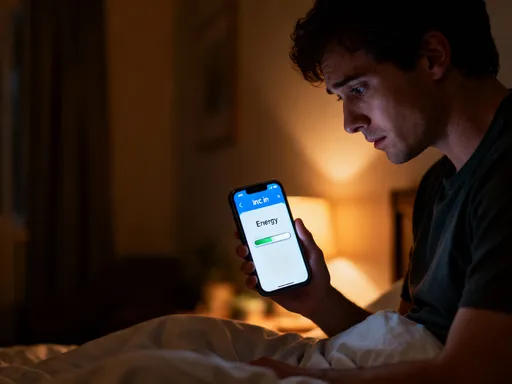
It started so slowly I didn’t even notice. One evening, I looked up and it was 11:30 p.m. My daughter’s lunchbox was still on the counter, half-packed for the next day. The dog hadn’t been walked. And I was still typing—answering a message that, in the light of morning, would barely matter. This wasn’t a one-off. It became routine. The laptop stayed open long after the kids were in bed. I told myself I was being responsible, that I was keeping up. But really, I was just chasing a finish line that kept moving.
Working from home was supposed to give me more flexibility. Instead, it erased all boundaries. There was no commute to mark the start or end of the day. No office door to close. Work seeped into every corner—during dinner, while helping with homework, even in the quiet moments before sleep. I felt like I was always "on," but never truly present. The guilt built up quietly: guilt for not being available to my family, guilt for not finishing work, guilt for being too tired to enjoy anything.
And here’s what I realized—this wasn’t a personal failing. It wasn’t that I lacked discipline or time management skills. It was that the structure was missing. When every hour feels like it could be work time, eventually, all hours become work hours. My brain had no signal to shift gears. There was no "off" switch. I could tell myself to stop, but without a system, willpower alone wasn’t enough. I needed something more reliable than motivation—something that didn’t depend on how I felt at 8 p.m. after a long day. I needed a tool, not to work more, but to finally stop.
Discovering Time-Blocking: More Than Just a Calendar
The first time I heard about time-blocking, I rolled my eyes. Another productivity trend, I thought. But then I watched a friend—a mom of three with a full-time job—describe how she got everything done without seeming stressed. Her secret? She didn’t just list her tasks. She scheduled them. Like appointments. "I have a block for emails from 9 to 10," she said, "and another for deep work after lunch. If it’s not in my calendar, it doesn’t get done."
That clicked for me. I wasn’t against planning—I just hated feeling trapped by it. But what if planning wasn’t about control? What if it was about protection? I decided to try it, not with military precision, but with kindness. I opened Google Calendar, the one I already used for school pickups and doctor visits, and started assigning time slots to my work tasks. Not every minute—just the big ones. "Answer emails: 9–10 a.m." "Project work: 10:30–12 p.m." "Call clients: 2–3 p.m."
The difference was almost immediate. I stopped asking myself, "What should I do now?" every five minutes. That constant mental loop—what’s next, what’s urgent, what did I forget—started to quiet down. I had a plan. I didn’t have to decide. And when 10 a.m. hit, I knew it was time to close my inbox and move on. No guilt. No second-guessing. It wasn’t about doing more. It was about doing what mattered, and then stopping.
And here’s the thing—this wasn’t about using fancy tech. I didn’t download anything new. I used tools I already had: Google Calendar for scheduling, Todoist for task lists, and a simple reminder app on my phone. The power wasn’t in the software. It was in the habit. It was in treating my time like something valuable—because it is. When I started scheduling my work like I scheduled my daughter’s piano lesson, it became real. It became non-negotiable.
Designing a Day That Fits Your Life, Not the Other Way Around
At first, I treated time-blocking like a strict boss. I scheduled every hour and felt like a failure when I didn’t stick to it. But then I had a shift. What if this wasn’t about forcing myself to fit a system? What if the system could fit me?
I started paying attention to my natural rhythm. I noticed I was sharpest in the morning, so I moved my most important work to 8–10 a.m. After lunch, my energy dipped, so I scheduled meetings then—less brainpower needed. And in the late afternoon, when creativity flowed, I blocked time for brainstorming or planning. I even started scheduling breaks—real ones. "Walk the dog: 3:30 p.m." "Make tea and stretch: 4 p.m."
And then I did something radical: I blocked time for my family. "Breakfast with kids: 7–7:45 a.m." "Help with homework: 4:30–5:30 p.m." At first, it felt strange—like I was scheduling love. But it wasn’t about that. It was about making space for what I said I cared about. Because if it’s not on the calendar, it’s easy to let it slide.
My calendar stopped being a to-do list and started being a reflection of my values. I wasn’t just scheduling tasks—I was designing a day that felt like mine. And the beauty of it? It could change. If the kids had a game, I moved my blocks. If I was tired, I shortened a work session and added a nap. Flexibility wasn’t the enemy of structure—it was part of it. The goal wasn’t perfection. It was presence. I started asking myself, "What does a good day look like for me?" And then I built it, one block at a time.
Guarding Your Blocks: Saying "No" Without Guilt
Here’s the hard truth: even with a perfect schedule, interruptions will come. A colleague messages, "Can you jump on a quick call?" A family member asks for help in the middle of your focus time. Your inbox pings with "urgent" requests. And old habits kick in—you say yes, you pause your work, you lose your rhythm.
But I learned that protecting your time isn’t selfish—it’s sustainable. And remote work tools can help. I started using the status feature in Slack—"In Focus Mode until 11 a.m."—so my team knew not to expect an instant reply. On my phone, I turned off non-essential notifications during work blocks. And I got comfortable saying things like, "I’m offline until 3 p.m., but I’ll get back to you then."
At first, I worried people would think I was rude. But the opposite happened. When I was consistent, they respected the boundaries. My husband even started doing it—"I’ve got a block for taxes, so I’ll be in the office for an hour." We weren’t shutting each other out. We were creating space to show up better.
And when someone interrupted, I had a simple script: "I’d love to help, but I’m in the middle of something. Can we connect at 4?" No apology. No over-explaining. Just clarity. Over time, people stopped expecting me to be available all the time. And that was freeing. I wasn’t guarding my calendar to be difficult. I was guarding it so I could be fully present—whether I was working, parenting, or just breathing.
Small Tools, Big Shifts: How Remote Work Apps Support Daily Rhythm
I’ll be honest—I’m not a tech person. I don’t care about features or updates. I care about things that work quietly in the background. And that’s exactly how I use remote work apps now. They’re not flashy. They’re not complicated. They’re just helpful.
Every morning, my phone reminds me: "Your focus block starts in 10 minutes." That small alert gives me time to close the kitchen, fill my water bottle, and mentally prepare. It’s like a soft chime that says, "Time to begin." During the day, I use calendar notifications to signal transitions—"End email time," "Time for walk." These aren’t demands. They’re gentle nudges.
I also sync my task list across devices. When I think of something while folding laundry, I quickly add it to Todoist on my phone. Later, when I’m at my desk, it’s already there—no mental clutter. I don’t have to remember. I don’t have to worry. The app holds it for me.
And when I finish a block, I check it off. That little satisfaction—marking something done—is more powerful than I expected. It’s not about perfection. It’s about progress. Some days, I only complete two of three blocks. But I still see what I did, not what I didn’t. The tools don’t judge. They just support.
What I love most is how these small features create a rhythm. My day flows instead of frays. I’m not constantly starting and stopping. I’m not switching tasks every 10 minutes. I’m moving with intention. And that changes everything.
When Life Happens: Keeping the Routine Without Rigid Rules
Of course, not every day goes as planned. Last week, my son woke up with a fever. My entire schedule vanished by 7:15 a.m. I canceled meetings, paused projects, and spent the day at home. And you know what? That was okay.
Time-blocking didn’t fail me that day. It actually helped. Because even in the chaos, I could still carve out one small block—30 minutes after he fell asleep—to answer urgent emails. It wasn’t much, but it kept me from drowning. The system didn’t demand perfection. It offered flexibility.
I’ve learned that a missed block isn’t a failure. It’s information. If I keep skipping my afternoon walk, maybe I need to move it earlier. If I’m always overrunning on emails, maybe I need to block more time. The calendar isn’t a report card. It’s a tool for learning.
And on hard days, just seeing my usual blocks on the screen is comforting. It reminds me: this is what normal feels like. This is what I’m returning to. I don’t have to rebuild the system from scratch. It’s still there, waiting.
The goal isn’t to control life. It’s to create a structure that can bend without breaking. To have a rhythm that returns, even after the storm. That’s the real gift—not a perfect schedule, but a resilient one.
The Calm After the Chaos: What Changed Beyond Productivity
If I told you time-blocking gave me back two hours a day, that would sound impressive. But that’s not the real story. The real story is quieter. It’s about eating breakfast with my kids and actually tasting my coffee. It’s about finishing work by 5 p.m. and playing a board game without checking my phone. It’s about going to bed at a reasonable hour and waking up without dread.
I’m not just getting more done. I feel more like myself. My mind isn’t racing at dinner. I’m not carrying work stress into bedtime stories. My relationships have softened. I listen better. I laugh more. I have energy for the things I love—reading, walking, baking, sitting still.
And the most surprising shift? I don’t measure my worth by how busy I am anymore. I used to wear exhaustion like a badge of honor. Now, I see peace as the real achievement. When my daughter says, "Mom, you seem happier," that’s the win.
Technology didn’t steal my life. It gave it back. Not because I downloaded the latest app, but because I used simple tools with intention. I stopped letting my day happen to me. I started designing it. And in doing so, I found something I thought was lost—calm.
This isn’t about being perfect. It’s about being present. It’s about creating space for what matters and protecting it, gently but firmly. If you’re still sitting at your desk at midnight, telling yourself "just one more thing," I get it. But what if you didn’t have to? What if you could close your laptop, kiss your family goodnight, and truly be done? That’s not magic. It’s just a few blocks on a calendar. And it’s waiting for you, one intentional day at a time.