Sky-High Designs and Old-World Charm: Malmö’s Architecture Will Surprise You
Malmö, Sweden, is a city where centuries collide in the most beautiful way. From sleek modern towers to cobblestone streets lined with centuries-old buildings, the architectural contrast is absolutely mind-blowing. I never expected such diversity in one compact, walkable city. Whether you're into minimalist Scandinavian design or curious about historic facades, Malmö delivers — and then some. This is practical travel with soul. It’s a place where innovation doesn’t erase history but instead walks hand in hand with it, creating a rhythm that feels both fresh and deeply rooted. For travelers who appreciate thoughtful design and cultural continuity, Malmö offers a rare kind of authenticity — one that speaks through its streets, buildings, and quiet courtyards.
First Impressions: Arriving in Malmö and Noticing the Skyline Shift
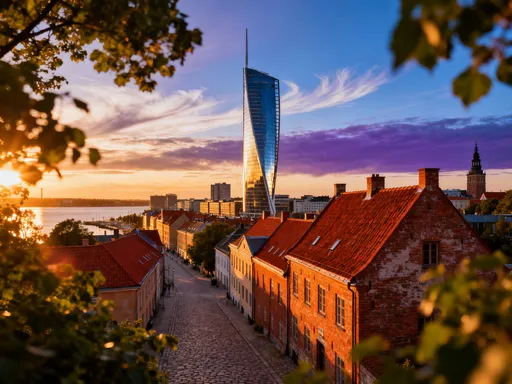
Stepping off the train from Copenhagen, the change is immediate — glass-clad skyscrapers rise above red-tiled roofs like sentinels of a new era. The transition from one city to another is seamless, yet Malmö announces itself with a distinct architectural voice. The turning point? The Empire Tower, once Sweden’s tallest residential building, stands as a beacon of modern ambition. Its reflective surface catches the Nordic light, shifting in hue with the weather and time of day. Yet just a few blocks away, the medieval layout of Gamla Staden remains intact, a network of narrow lanes and low-rise buildings that have stood for centuries. This juxtaposition isn’t accidental or chaotic — it’s a deliberate balance between progress and preservation, carefully woven into the city’s urban fabric.
Walking from Hyllie Station toward the city center, you feel the rhythm of Malmö shift beneath your feet. The wide boulevards and contemporary plazas of the new district give way to uneven cobblestones and intimate alleyways. The air changes too — less sterile, more alive with the scent of coffee, fresh bread, and damp stone. What makes this contrast so compelling is not just the visual difference, but the narrative it tells. Malmö was once a proud industrial city, known for its shipyards and manufacturing. When those industries declined in the late 20th century, the city didn’t retreat — it reimagined itself. The skyline tells that story: the old represents resilience, the new signals reinvention. Urban planning here doesn’t treat history as a museum exhibit but as a living foundation for future growth.
What’s remarkable is how seamlessly these worlds coexist. There’s no sense of architectural competition — no modern tower trying to overshadow the past. Instead, each structure seems to acknowledge its place in a broader timeline. The city’s commitment to walkability enhances this experience. You can start your morning in a high-rise café with panoramic views and end it sipping tea in a 400-year-old timber-framed house, all within a 30-minute stroll. This accessibility makes Malmö not just a visual delight but a deeply human-scaled city, where design serves people, not just aesthetics.
Turning Point: The Transformation After the Öresund Bridge
Opened in 2000, the Öresund Bridge did far more than connect Malmö to Copenhagen — it redefined the city’s identity and trajectory. Before the bridge, Malmö was often seen as a quiet, post-industrial city facing economic uncertainty. The shipyards that once powered its economy had closed, and population decline was a real concern. But the bridge changed everything. Suddenly, Malmö was no longer a peripheral city — it became part of a dynamic transnational region, linked to one of Scandinavia’s most vibrant capitals. The 20-minute train ride to Copenhagen opened doors to jobs, culture, and new ideas, sparking a wave of urban renewal that continues to this day.
At the heart of this transformation is the Western Harbour, or Västra Hamnen, a former industrial port turned model district for sustainable urban living. Once dominated by cranes and cargo, the area is now a showcase of forward-thinking architecture and environmental innovation. The Bo01 housing exhibition, launched in 2001, was the catalyst. Designed as a demonstration project for eco-friendly living, it introduced energy-positive buildings — homes that produce more energy than they consume. Solar panels are standard, green roofs absorb rainwater and insulate buildings, and passive heating systems minimize energy use. These aren’t experimental prototypes but fully inhabited homes where families live, work, and thrive.
What sets Västra Hamnen apart is that sustainability doesn’t come at the cost of beauty. The buildings are thoughtfully designed, with clean lines, natural materials, and an emphasis on light and space. Public parks, bike paths, and communal gardens are integrated into the layout, fostering a strong sense of community. The district proves that practical design can also be inspiring — that eco-conscious living doesn’t mean sacrificing comfort or aesthetics. For visitors, walking through Västra Hamnen feels like stepping into a possible future, one where cities are in harmony with nature rather than at odds with it. It’s a quiet revolution, built not with grand declarations but with careful, consistent choices.
Modern Marvel: Exploring the Turning Torso, a Twisting Icon
You can’t miss it — the Turning Torso, a 190-meter skyscraper that twists 90 degrees from base to top, stands as Malmö’s most iconic modern structure. Inspired by a sculpture of a twisting human torso by architect Santiago Calatrava, the building is equal parts art and engineering. Completed in 2005, it was the tallest skyscraper in Scandinavia at the time and remains a symbol of Malmö’s bold new direction. Its nine segments, each rotated slightly from the one below, create a dynamic, almost fluid silhouette against the sky. From certain angles, it appears to be in motion, a frozen dance in steel and glass.
While the interior is primarily residential and not open to the public, the experience of viewing the Turning Torso from the outside is powerful. The best vantage points are from the park surrounding it or from the waterfront promenade in Västra Hamnen. At sunrise, the east-facing side glows gold; at sunset, the western facade reflects the deepening hues of the sky. At night, subtle lighting enhances its form without overwhelming it, making it a quiet beacon rather than a flashy landmark. The surrounding area has been developed with care — low-rise buildings, green spaces, and pedestrian pathways ensure that the tower doesn’t dominate the neighborhood but complements it.
The Turning Torso is more than an architectural feat — it’s a statement. It says that Malmö is open to innovation, unafraid of bold ideas, and willing to take creative risks. For a city of its size, such a dramatic structure might seem out of place, but in context, it makes perfect sense. It represents a turning point — not just in skyline but in mindset. It invites visitors and residents alike to look up, to think differently, and to embrace change. And while it reaches for the sky, the city around it remains grounded in human-scale design, ensuring that even the most futuristic elements feel accessible and livable.
Historic Heart: Wandering Through Möllevången and Gamla Staden
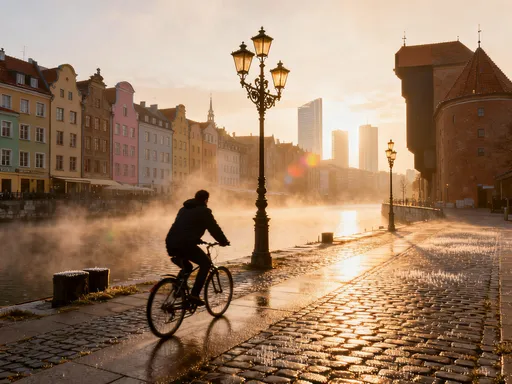
Step into Gamla Staden, or Old Town, and time slows down. Here, timber-framed houses from the 16th and 17th centuries line narrow, winding streets, their facades painted in soft yellows, deep reds, and mossy greens. Many of these buildings were once homes to merchants and craftsmen, their ground floors serving as workshops or shops. Today, they house boutique stores, cozy cafés, and small galleries, but their character remains unchanged. Walking through Gamla Staden feels like moving through a living history book — one where the pages are still being written. The area is compact, easily explored on foot, and full of quiet courtyards and hidden gardens that invite pause and reflection.
Dominating the skyline is St. Peter’s Church, a striking example of Brick Gothic architecture. Its tall spire has watched over the city for centuries, surviving fires, wars, and urban change. Inside, the atmosphere is serene — sunlight filters through stained glass, illuminating ancient stone and wooden pews. The church is still active, but it also serves as a cultural venue, hosting concerts and exhibitions that bridge past and present. Just a short walk away lies Möllevången, a neighborhood that adds rich cultural texture to Malmö’s historic core. Once a working-class district, it has evolved into one of the city’s most diverse and vibrant areas.
Möllevången is known for its bustling market, where vendors sell fresh produce, spices, and handmade goods from around the world. The architecture here is a mix of old brick buildings and modest apartment blocks, many of which have been repurposed into independent shops, ethnic restaurants, and community spaces. Unlike preserved historic districts that feel frozen in time, these neighborhoods are lived-in and evolving. The architecture tells stories — of trade, migration, and resilience. It’s not about perfection but continuity. For visitors, this means an authentic experience, one where history isn’t displayed behind glass but woven into daily life.
Sustainable Style: How Malmö Builds Green Without Sacrificing Beauty
Malmö has become a leader in sustainable urban design, not through grand pronouncements but through consistent, thoughtful action. In districts like Nordens Ark and Augustenborg, new construction follows strict environmental standards, but the results are anything but dull. Architects use bold shapes, colorful facades, and creative layouts to ensure that eco-friendly buildings are also visually engaging. The city’s climate adaptation plan includes green corridors, rooftop gardens, and flood-resistant infrastructure — practical responses to rising sea levels and extreme weather. These aren’t temporary fixes but long-term strategies embedded in the city’s DNA.
One of the most impressive examples is the use of natural ventilation and passive solar heating in residential buildings. Instead of relying on energy-intensive HVAC systems, many homes are designed to capture and retain heat from sunlight, with windows positioned to maximize daylight. Rainwater is collected and reused for irrigation and sanitation, reducing strain on municipal systems. Recycled and locally sourced materials are prioritized, minimizing carbon footprint. But what truly sets Malmö apart is how these features are integrated into designs that feel warm and inviting. Sustainability here isn’t a compromise — it’s an enhancement.
The city also invests in green public spaces that serve both ecological and social functions. Parks double as water retention basins during heavy rains, and tree-lined streets reduce urban heat. Community involvement is central — residents participate in planning processes, ensuring that developments meet real needs. This holistic approach proves that eco-friendly cities don’t have to look sterile or institutional. Malmö shows that sustainability can be beautiful, human-centered, and full of life. For visitors, it’s inspiring to see how environmental responsibility and aesthetic quality can coexist, creating neighborhoods that are not just livable but lovable.
Hidden Gems: Lesser-Known Architectural Spots Worth Seeking
Beyond the well-known landmarks, Malmö is full of quiet architectural surprises that reward curiosity. The Form/Design Center, housed in a renovated industrial warehouse, is a must-visit for lovers of Scandinavian design. The building itself is a study in adaptive reuse — exposed brick, steel beams, and large windows create a raw yet elegant space. Inside, rotating exhibitions highlight furniture, textiles, and product design, often with a focus on sustainability and craftsmanship. It’s a place where form truly meets function, and where everyday objects are treated as works of art.
Another hidden gem is the Katarina Church Ruins, a hauntingly beautiful site in the eastern part of the city. What remains of the 17th-century church is illuminated at night with subtle lighting that enhances its skeletal structure without overpowering it. The contrast between the ancient stone and modern illumination creates a poetic dialogue between past and present. Nearby, a small park invites quiet contemplation, making it a perfect spot for a reflective pause. Even ordinary residential areas like Rosengård reveal thoughtful urban planning. While often overlooked by tourists, the neighborhood features well-maintained apartment blocks with shared courtyards, playgrounds, and green spaces — a testament to Malmö’s commitment to equitable, livable design for all.
These lesser-known spots deepen your understanding of Malmö’s architectural philosophy. They show that great design isn’t reserved for landmarks but is embedded in everyday spaces. It’s in the way a staircase is lit, how a courtyard is arranged, or how an old building finds new purpose. For the attentive traveler, these details create a richer, more nuanced portrait of the city — one that goes beyond postcard views to reveal the soul of its streets.
Practical Tips: How to Explore Malmö’s Architecture Like a Local
To truly appreciate Malmö’s architectural diversity, walk or rent a bike — the city is flat, safe, and easy to navigate. Start at Central Station, where the blend of modern transit design and historic elements sets the tone. From there, head west toward Västra Hamnen to see the Turning Torso and the eco-districts. Spend time in the Western Harbour, wandering the waterfront promenade and stopping at the small cafés and information kiosks that offer insights into the area’s development. Then, loop back through the city center, making your way to Gamla Staden and St. Peter’s Church.
Use the Malmö Museum as a starting point for context — its exhibits on urban history and architecture provide valuable background. Visit during daylight hours to fully appreciate the details of buildings, from intricate carvings to material textures. Return at night to see how lighting transforms the city — many structures are softly illuminated, creating a different kind of beauty after dark. Wear comfortable shoes, bring a camera, and keep an eye on the sky — you never know what stunning design you’ll spot overhead. Consider picking up a self-guided walking tour map from the tourist office or downloading a local app that highlights architectural points of interest.
Take your time. Malmö is not a city to rush through. Sit in a café in Möllevången, watch people pass by, and notice how the buildings frame the street life. Talk to locals — many are proud of their city’s transformation and happy to share stories. Above all, stay open to surprise. The magic of Malmö lies not just in its famous landmarks but in the quiet moments — a sunlit courtyard, a colorful door, a twist of steel against the clouds. It’s a city that rewards attention, inviting you to see beauty in both the grand and the small, the old and the new, the planned and the lived-in.