You Won’t Believe What These Gdańsk Districts Hide—An Insider’s Journey
Stepping into Gdańsk feels like opening a storybook where every district writes its own chapter. From the golden glow of Long Market to the quiet charm of Oliwa, each neighborhood offers a unique pulse. I never expected such diversity—historic grandeur, bohemian vibes, seaside calm—all in one city. This isn’t just a guide; it’s a local-style walk through Gdańsk’s soul, revealing what maps often miss. With its layered past and vibrant present, Gdańsk invites travelers not only to see but to truly feel the rhythm of northern Poland.
Old Town: Where History Comes Alive
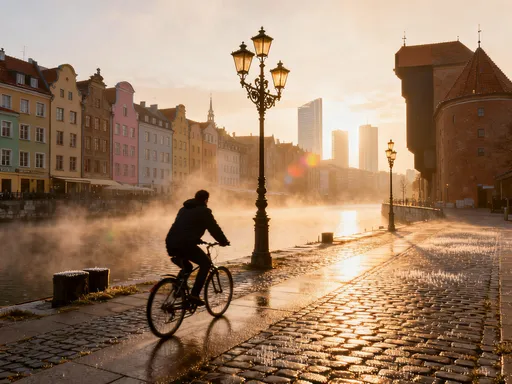
The heart of Gdańsk beats strongest in its Old Town, a meticulously reconstructed masterpiece that rises like a phoenix from the ashes of World War II. Once nearly erased by conflict, today’s Old Town is a living testament to resilience and craftsmanship. Its cobbled streets wind beneath colorful merchant houses, their facades painted in ochre, crimson, and soft gold, echoing the city’s wealth during the Hanseatic League era. Walking through Długi Targ—Long Market—feels like stepping into a 17th-century engraving, where every balcony and gable tells a story of trade, power, and civic pride.
At the center stands the Neptune Fountain, a graceful figure presiding over the square, symbolizing Gdańsk’s enduring connection to the sea. Nearby, St. Mary’s Church looms with quiet majesty. One of the largest brick churches in the world, it can hold up to 25,000 worshippers and houses a magnificent astronomical clock, restored to full operation. Inside, sunlight filters through tall stained-glass windows, illuminating centuries-old wooden sculptures and a towering pipe organ that still sings during special services.
What makes the Old Town truly come alive is not just its architecture, but its rhythm. In the mornings, locals stop for fresh pierogi at family-run stalls. By afternoon, guided tours weave through the streets, narrating tales of amber merchants and royal visits. As evening falls, candlelit restaurants spill onto the sidewalks, and the scent of grilled fish and warm mulled wine fills the air. For the best experience, visit early in the morning or just after sunset—when the day-trippers have left, and the district settles into a quieter, more intimate mood.
Main Town vs. Long Town: Unraveling the Twin Centers
Though often used interchangeably, Main Town and Long Town represent two distinct yet interconnected districts that together form the historic core of Gdańsk. Main Town, or Głównego, spreads westward from the Motława River and is characterized by its dense network of streets, historic tenements, and bustling market squares. It was here that guilds once held sway, and where the city’s economic pulse was strongest. Today, it remains a hub of commerce and daily life, home to independent bookshops, artisan workshops, and cozy cafés tucked into centuries-old buildings.
Long Town, or Długi Targ, is more ceremonial in nature—a grand boulevard lined with opulent facades and civic monuments. Originally designed as a processional route for visiting dignitaries, it carries an air of pageantry. The iconic Artus Court stands at its western end, once the social and political heart of the city, hosting banquets, tournaments, and diplomatic meetings. Today, it houses a museum that captures the opulence of Gdańsk’s golden age, complete with period furnishings and intricate wood carvings.
The architectural contrast between the two areas reflects their differing roles. Main Town feels lived-in, with laundry hanging from upper windows and flower boxes bursting with geraniums. Long Town, by contrast, is more polished—its surfaces regularly maintained, its pathways swept clean for tourists and photographers. Yet both share a deep respect for history. Restoration efforts have been guided by original blueprints and historical paintings, ensuring that what stands today is not a fantasy of the past, but a faithful echo of it. Together, they create a duality that enriches the visitor’s experience: one area invites exploration, the other inspires awe.
Wrzeszcz: The Urban Pulse with Character
Just a short tram ride from the historic center, Wrzeszcz offers a different kind of charm—one rooted in early 20th-century urban planning and a thriving contemporary culture. Developed primarily between the two world wars, this district is known for its spacious avenues, pre-war townhouses, and striking examples of Art Nouveau and modernist architecture. Walking through its tree-lined streets, one notices the attention to detail: wrought-iron balconies, stained-glass transoms, and ornate entryways that speak to a time when craftsmanship was central to city life.
Today, Wrzeszcz has evolved into one of Gdańsk’s most desirable residential and cultural neighborhoods. It attracts young families, artists, and professionals who appreciate its balance of tranquility and accessibility. The district’s main artery, Aleja Grunwaldzka, is lined with independent boutiques, vintage clothing stores, and specialty coffee shops where baristas pour latte art with precision. On weekends, farmers’ markets spring up in small squares, offering organic produce, handmade cheeses, and freshly baked rye bread.
What sets Wrzeszcz apart is its authenticity. Unlike the heavily touristed Old Town, this area is where locals live, work, and unwind. A Sunday stroll might lead you to a neighborhood garden party, a live jazz set in a converted garage, or a pop-up exhibition in a repurposed factory. Restaurants here serve traditional Polish dishes with a modern twist—think duck breast with plum sauce, or beetroot soup served with dill-infused cream. For travelers seeking a deeper connection to the city, a visit to Wrzeszcz offers a refreshing glimpse into everyday Gdańsk life, far from the postcard clichés.
Śródmieście: Modernity Meets Memory
As the administrative and business heart of Gdańsk, Śródmieście represents the city’s forward-looking spirit while remaining deeply respectful of its past. This central district is home to government offices, corporate headquarters, and modern cultural institutions, including the Museum of the Second World War—a striking architectural landmark that draws visitors from around the world. The museum’s design, a series of interlocking concrete forms, evokes both strength and fragility, mirroring the complex legacy of the conflict that reshaped Europe.
Yet Śródmieście is not defined solely by its institutions. Amid the glass and steel towers, green spaces offer moments of calm. Park Kuracyjny, once part of a historic spa complex, now serves as a peaceful retreat with walking paths, fountains, and shaded benches. Along the Motława River, waterfront promenades invite leisurely strolls, with views of moored yachts and the occasional passing cruise ship. In the evenings, outdoor terraces come alive with locals enjoying a drink after work, their conversations blending with the soft hum of passing trams.
The district’s ability to balance function and remembrance is perhaps its most remarkable quality. Memorials to wartime resistance and civilian sacrifice stand just blocks from modern office buildings, ensuring that history is never far from daily life. A bronze statue of Solidarity leader Lech Wałęsa near the shipyards serves as a quiet reminder of Gdańsk’s role in the fall of communism. For visitors, Śródmieście offers a nuanced perspective—one that acknowledges progress without forgetting the struggles that made it possible. It’s a place where efficiency and empathy coexist, where the future is built with memory as its foundation.
Oliwa: Nature, Serenity, and a World-Famous Park
For those seeking peace within the city limits, Oliwa is a sanctuary of greenery, music, and quiet elegance. Located about six kilometers north of the center, this residential district feels worlds away from urban bustle. At its heart lies Oliwa Park, a sprawling 120-hectare landscape garden that originated as a Cistercian monastery estate in the 13th century. Today, it is one of Poland’s most beautiful public parks, featuring manicured lawns, winding ponds, ancient trees, and a Japanese garden that blooms with cherry blossoms each spring.
Adjacent to the park stands Oliwa Cathedral, a Gothic and Baroque masterpiece renowned for its extraordinary organ. Built in the 18th century, the instrument has 7,845 pipes and is played during regular concerts that draw music lovers from across Europe. The acoustics within the cathedral’s vast nave are exceptional, and hearing a live performance—whether a Bach fugue or a Chopin nocturne—is an unforgettable experience. Even for those who don’t attend a concert, a quiet visit to the cathedral offers a moment of reflection, with sunlight dancing across stone columns and intricate altarpieces.
Oliwa is particularly beloved by families and nature enthusiasts. Children run through open fields, cyclists glide along tree-shaded paths, and elderly couples sit on benches reading newspapers or feeding ducks. The district’s schools and community centers are well-regarded, contributing to its reputation as one of Gdańsk’s most family-friendly areas. Cafés here tend to be modest and welcoming, often run by longtime residents who greet customers by name. A visit to Oliwa is not about ticking off attractions—it’s about slowing down, breathing deeply, and reconnecting with the rhythms of nature and community.
Brzeźno: Gdańsk’s Seaside Secret
When locals want to feel the Baltic breeze on their faces, they often head to Brzeźno, a former fishing village turned seaside neighborhood. Just a 15-minute tram ride from the center, Brzeźno offers a refreshing escape with its wide sandy beach, wooden promenade, and relaxed atmosphere. Unlike the more commercialized resorts along the Polish coast, Brzeźno retains a low-key charm, where flip-flops are the dress code and the pace is set by the tides.
The beach is clean and well-maintained, with designated swimming areas, lifeguard stations, and seasonal kiosks serving ice cream, grilled sausages, and cold beer. In summer, families spread out on towels, children build sandcastles, and kite surfers dance across the waves. But Brzeźno is not just a summer destination. Even in spring and autumn, walkers, joggers, and dog owners fill the boardwalk, drawn by the fresh air and unobstructed views of the sea. At sunset, the sky often turns shades of rose and gold, casting a warm glow over the water and the distant silhouette of the marina.
One of Brzeźno’s hidden gems is its fish market, where local fishermen sell their daily catch directly from wooden stalls. Visitors can buy fresh herring, sprats, or Baltic cod, often still glistening from the sea. Some nearby restaurants will even prepare your purchase on the spot, serving it with lemon, onions, and a shot of chilled vodka—a true taste of coastal life. For those interested in maritime history, the nearby Museum of Fisheries and Marine Economy offers a modest but informative look at the region’s seafaring traditions. Brzeźno may not have the glitz of a major resort, but it offers something more valuable: authenticity, simplicity, and the timeless allure of the sea.
Connecting the Dots: Moving Between Districts Like a Local
One of Gdańsk’s greatest strengths is its seamless public transportation system, which makes exploring multiple districts not only possible but enjoyable. The backbone of the network is the tram system, operated by ZKM Gdańsk, with lines radiating from the central station to every corner of the city. Trams are clean, punctual, and equipped with digital displays showing upcoming stops, making navigation straightforward even for first-time visitors. For longer distances or travel to nearby towns like Sopot or Gdynia, the SKM commuter rail offers a fast and scenic alternative, running along the coast with views of the bay and forested hills.
Tickets are affordable and available in various formats—single rides, 24-hour passes, or multi-day tourist cards that include access to museums and discounts at select venues. They can be purchased at ticket machines, convenience stores, or via a mobile app, and must be validated upon boarding. A 24-hour pass, priced at a few euros, allows unlimited travel and is ideal for those planning to explore multiple districts in a single day. For added convenience, Google Maps and the Jakdojade app provide real-time schedules, route suggestions, and platform information in English.
The beauty of using public transit in Gdańsk lies in the spontaneity it enables. You might begin your day in the Old Town, take a tram to Wrzeszcz for lunch, then hop on the SKM to Brzeźno for an afternoon by the sea—all without the stress of parking or navigation. Along the way, you’ll share space with students, commuters, and elderly residents, gaining subtle insights into local life. The rhythmic clatter of the tram, the friendly nod from a fellow passenger, the sudden glimpse of a church spire through the trees—these small moments add depth to the journey. In Gdańsk, how you move between places becomes part of the experience itself.
Final Thoughts: Gdańsk’s True Magic Lies in Its Diversity
Gdańsk is not a city that reveals itself all at once. Its true character emerges slowly, through the contrast of its districts and the layers of history embedded in its streets. From the grandeur of the Old Town to the serenity of Oliwa, from the urban energy of Wrzeszcz to the seaside calm of Brzeźno, each neighborhood contributes a unique note to the city’s symphony. This diversity is not accidental—it is the result of centuries of change, resilience, and renewal.
What sets Gdańsk apart from other historic cities is its ability to honor the past without being trapped by it. Rebuilt after devastation, it chose authenticity over imitation, preserving its identity while embracing modern life. Today, travelers are invited to do more than sightsee—they are encouraged to wander, to linger, to listen. A conversation with a shopkeeper, the sound of an organ in a cathedral, the taste of fresh fish by the sea—these are the moments that stay with you long after you’ve left.
For women between 30 and 55—many of whom balance family, work, and personal well-being—Gdańsk offers a rare kind of travel experience: one that is enriching without being exhausting, inspiring without being overwhelming. It’s a place where history feels alive, nature is within reach, and culture is not performed but lived. Whether you come for a weekend or a week, the city welcomes you with quiet confidence and genuine warmth.
So go beyond the guidebooks. Step off the main squares. Take the tram to a neighborhood with a name you can’t quite pronounce. Let yourself get lost in a park, sip coffee in a hidden courtyard, or watch the sunset from a wooden pier. In these quiet moments, you’ll discover what maps can’t show: the soul of Gdańsk, beating gently, proudly, beautifully.