You Won’t Believe How Dallas Transforms Public Spaces into Urban Magic
Walking through Dallas, I didn’t just see parks and plazas—I felt the city breathe. What makes its public spaces so alive? It’s not just design; it’s soul. From sunlit trails to buzzing downtown corners, Dallas turns ordinary areas into immersive experiences. Whether you're strolling the Katy Trail or unwinding at Klyde Warren Park, the city blends nature, culture, and community in ways I never expected. This is urban life at its most vibrant.
Discovering the Heartbeat of Dallas: An Introduction to Its Public Spaces
Dallas has undergone a quiet revolution, one that unfolds not in boardrooms or city halls, but on sidewalks, under shade trees, and in open-air plazas. Once known for its sprawling highways and car-dependent neighborhoods, the city has steadily reimagined its public realm to prioritize people over vehicles. This transformation is more than aesthetic—it reflects a deeper commitment to quality of life, environmental resilience, and social connection. The shift began in earnest in the early 2000s, when city planners, civic leaders, and residents alike recognized that thriving communities need accessible, inviting spaces where people can gather, relax, and interact freely.
What sets Dallas apart is not just the number of parks or trails it has built, but how these spaces are woven into the fabric of daily life. Unlike traditional urban planning that treats public spaces as afterthoughts, Dallas has embraced an integrated approach—designing areas that are not only beautiful but functional, inclusive, and deeply connected to surrounding neighborhoods. This philosophy is evident in everything from tree-lined pedestrian paths to shaded seating zones that encourage lingering. The city’s climate, with long, hot summers, has also influenced design choices, leading to innovative shading solutions, water features, and strategic landscaping that make outdoor experiences comfortable year-round.
Beyond comfort and convenience, these spaces serve as catalysts for economic revitalization. Areas once considered underutilized or even neglected—like the sunken Woodall Rodgers Freeway—have been transformed into vibrant hubs of activity. The investment in public spaces has paid dividends in increased foot traffic, higher property values, and a stronger sense of civic pride. Moreover, these areas have become stages for local culture, hosting everything from food truck festivals to outdoor yoga classes, live music, and art installations. In doing so, Dallas has shown that public spaces are not luxuries—they are essential infrastructure for a healthy, dynamic city.
Klyde Warren Park: Where the City Comes Together
Rising above the Woodall Rodgers Freeway like a green ribbon stitched across the urban landscape, Klyde Warren Park stands as the crown jewel of Dallas’s public space transformation. Opened in 2012, this 5.2-acre deck park bridges the gap—literally and figuratively—between downtown and the Arts District, reconnecting neighborhoods that had been divided by traffic and noise for decades. Today, it functions as the city’s living room: a place where professionals take lunch breaks, families picnic on weekends, and visitors soak in the energy of urban life.
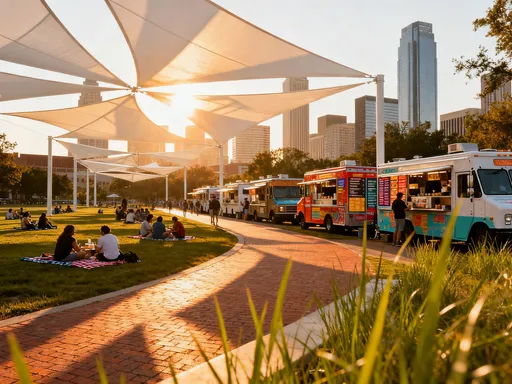
What makes Klyde Warren truly special is its rich calendar of programming. Nearly every day of the week, something is happening—from free fitness classes like Zumba and tai chi to storytime for children and live jazz performances in the evenings. The park’s food truck park offers a rotating selection of local culinary favorites, turning lunchtime into a mini food festival. The Children’s Park, complete with interactive fountains and climbing structures, ensures that younger visitors are engaged and entertained. These activities create a rhythm, a sense of anticipation and belonging that keeps people coming back.
The park’s location amplifies its impact. Just steps away are the Dallas Museum of Art, the Nasher Sculpture Center, and the Winspear Opera House, making it a natural gathering point before or after cultural events. During gallery nights or theater performances, the park becomes an extension of the experience—a place to mingle, reflect, or simply enjoy the cool evening air. Benches, shaded pergolas, and Wi-Fi-enabled zones cater to both relaxation and productivity, appealing to remote workers and students as much as tourists. Klyde Warren Park is more than a green space; it is a social engine, driving connection and culture in the heart of the city.
The Katy Trail: A Pulse of Nature in the Urban Flow
Stretching 3.5 miles from Uptown through the Park Cities and into downtown, the Katy Trail is more than a path—it’s a lifeline. Originally a rail corridor for the Missouri-Kansas-Texas Railroad, the trail was repurposed in the 1990s into a multi-use greenway that now serves as one of Dallas’s most beloved recreational assets. Lined with mature trees, dotted with wildflowers, and bordered by residential and commercial areas, the trail offers a rare blend of natural beauty and urban accessibility.
Morning and evening, the trail pulses with activity. Runners in moisture-wicking gear pass cyclists in full kit, while dog walkers and couples on leisurely strolls move at a gentler pace. The sound of birds blends with the whir of bike wheels, creating a symphony of city life in motion. Along the way, benches provide rest spots, and mile markers help joggers track progress. In spring, crepe myrtles burst into color, painting the path in soft pinks and purples, while live oaks offer dappled shade even in summer’s heat.
What makes the Katy Trail particularly valuable is its role in daily commuting and health. For many residents, it’s not just a place to exercise—it’s a practical alternative to driving. Bike commuters use it to avoid traffic, while parents walk their kids to school along its safe, car-free route. Safety features like consistent lighting, emergency call boxes, and regular patrols contribute to a sense of security, encouraging use at all hours. Nearby cafes and juice bars—such as HG Sply Co. and The Porch—add to the trail’s appeal, offering refreshments and a place to socialize after a workout.
The trail also fosters community. Running clubs meet weekly, and charity walks often begin or end here. Local businesses sponsor water stations during events, reinforcing the connection between public space and neighborhood vitality. The Katy Trail exemplifies how a well-designed greenway can serve multiple purposes: promoting physical health, reducing urban congestion, and creating a shared sense of ownership among residents.
Thanks-Giving Square: A Quiet Oasis with Deep Meaning
In the midst of Dallas’s energetic downtown, Thanks-Giving Square offers a rare gift: stillness. Nestled between office towers and busy intersections, this one-acre sanctuary centers around the non-denominational Chapel of Thanksgiving, a spiraling structure of glass and stone that invites contemplation. The space is designed to transcend religious boundaries, focusing instead on the universal act of gratitude. Its reflecting pool, inscribed with quotes about thankfulness in multiple languages, mirrors the sky and surrounding trees, creating a meditative atmosphere even in the middle of the workday.
The square’s design is both symbolic and functional. The spiral path leading to the chapel represents life’s journey, with twists and turns that encourage introspection. Benches are placed to offer views of the water and sky, while native plants and gentle fountains provide a soothing backdrop. Unlike many urban parks that emphasize activity, Thanks-Giving Square is intentionally quiet—a place to pause, breathe, and reconnect with oneself. It is open to all, regardless of faith or background, and regularly hosts interfaith gatherings, prayer services, and moments of silence during times of community need.
Seasonal events enhance its role as a spiritual and cultural touchstone. During the winter holidays, the square hosts a Light of Thanks display, where thousands of lights illuminate the trees in a gesture of hope and unity. In spring, community art installations and poetry readings bring new layers of meaning to the space. Its central location makes it accessible not only to downtown workers but also to visitors seeking a moment of peace. In a city that celebrates energy and progress, Thanks-Giving Square reminds us that reflection and gratitude are equally essential to a balanced urban life.
Downtown Plazas: Revitalizing Concrete with Culture
While large parks like Klyde Warren capture headlines, smaller plazas play an equally vital role in Dallas’s public space network. Main Street Garden and Pegasus Plaza, though modest in size, have been transformed into dynamic gathering spots through thoughtful design and consistent programming. Once overlooked or underused, these spaces now host farmers’ markets, outdoor film screenings, and pop-up art exhibits that draw crowds and activate the surrounding streets.
Main Street Garden, located near the historic Farmers Market, features a central lawn, a dog park, and a striking water feature that doubles as a splash pad in summer. Movable chairs and tables allow visitors to customize their experience—whether for a solo coffee break or a group meeting. The plaza’s proximity to restaurants and retail encourages foot traffic, while its open layout fosters visibility and safety. Public art, including sculptures and rotating murals, adds visual interest and supports local artists.
Pegasus Plaza, named after the iconic neon Pegasus that once crowned the Magnolia Building, has been reimagined as a flexible event space. With its paved surface and built-in lighting, it’s ideal for concerts, holiday markets, and public celebrations. The city, in partnership with business improvement districts, schedules events year-round to ensure consistent activity. These plazas demonstrate that even small investments in design and programming can yield significant returns in community engagement and urban vibrancy.
Public-private partnerships have been key to their success. Local businesses contribute funding and volunteer support, while city agencies handle maintenance and permitting. This collaboration ensures that plazas remain clean, safe, and full of life. By treating these spaces as shared assets rather than municipal burdens, Dallas has created a model for sustainable urban activation that other cities are beginning to emulate.
Design That Connects: The Planning Behind the Experience
The magic of Dallas’s public spaces is not accidental—it is the result of deliberate, data-informed planning. City officials have adopted a holistic approach that prioritizes walkability, shade, accessibility, and environmental sustainability. The Dallas Urban Forest Plan, for example, aims to increase tree canopy coverage to 30% by 2030, improving air quality and reducing urban heat. The Complete Streets policy ensures that road redesigns accommodate pedestrians, cyclists, and transit users, not just cars.
Shade is a critical component, given the region’s intense sun. In Klyde Warren Park, pergolas draped with climbing vines provide relief, while the Katy Trail is lined with dense tree cover. Newer developments incorporate shade structures, awnings, and covered seating to make outdoor spaces usable even in peak summer months. Water features, misting stations, and strategically placed fountains also help cool the air, enhancing comfort and encouraging longer stays.
Connectivity is another cornerstone. Trails, sidewalks, and bike lanes are designed to link neighborhoods, parks, and transit hubs. The city’s bike-share program, Dallas B-cycle, places stations near major public spaces, making it easy to combine cycling with walking and transit. Digital tools, such as interactive maps and event calendars, help residents and visitors navigate the network and discover what’s happening nearby.
Community input plays a central role in shaping these spaces. Before major projects begin, the city conducts surveys, holds public meetings, and engages local stakeholders to understand needs and preferences. This inclusive process ensures that parks and plazas serve diverse populations—families, seniors, people with disabilities, and low-income residents. By listening to the people who use these spaces, Dallas creates environments that feel welcoming and relevant to all.
How to Immerse Yourself: A Traveler’s Guide to Authentic Engagement
For visitors, experiencing Dallas’s public spaces like a local means slowing down and embracing the rhythm of daily life. Start with a morning jog or bike ride on the Katy Trail, when the air is cool and the path is alive with fellow exercisers. Stop at a neighborhood café for a smoothie or coffee—many offer outdoor seating with trail views. By mid-morning, head to Klyde Warren Park, where free yoga or tai chi classes often begin around 9:30 a.m. Participating, even briefly, offers a sense of connection and immersion.
Lunchtime is prime time at the park’s food truck garden. Sample regional specialties like brisket tacos or peach cobbler from rotating vendors. After eating, explore the nearby Arts District on foot—most major museums are within a 10-minute walk. In the afternoon, seek out quieter moments at Thanks-Giving Square, where the gentle sound of water and dappled sunlight create a peaceful retreat. If visiting in December, don’t miss the Light of Thanks display, a heartwarming celebration of gratitude and unity.
For a more off-the-beaten-path experience, visit Main Street Garden during a weekend farmers’ market or Pegasus Plaza during a public art installation. These smaller spaces offer intimate glimpses into Dallas’s community spirit. Use the Dallas B-cycle app to rent a bike and explore at your own pace, or simply walk—many downtown areas are pedestrian-friendly, especially between Uptown, downtown, and the Arts District.
The key to authentic engagement is presence. Sit on a bench, watch people pass by, listen to street musicians, or strike up a conversation with a local. These small interactions reveal the true character of the city. Dallas’s public spaces are not just places to see—they are places to be in, to feel part of something larger. By moving slowly and openly, travelers can experience the city not as spectators, but as participants.
Conclusion: Rethinking Cities Through Dallas’s Lens
Dallas proves that great cities are not defined by their skylines or shopping districts, but by their ability to bring people together. The transformation of its public spaces—from highways to parks, from empty plazas to cultural stages—demonstrates a profound shift in urban values. No longer seen as afterthoughts, these areas are now recognized as essential to health, happiness, and community resilience. They are where life unfolds in its most authentic form: children laughing, musicians playing, neighbors chatting, strangers smiling.
What makes Dallas’s approach remarkable is its balance of innovation and heart. It combines smart planning with deep respect for human experience, creating spaces that are not only functional but emotionally resonant. The city has shown that even in a car-centric region, walkable, green, and inclusive environments are possible—and deeply desired. As urban populations grow and climate challenges intensify, the lessons from Dallas offer a hopeful blueprint.
Other cities can learn from its emphasis on connectivity, community input, and year-round programming. But perhaps the most important takeaway is this: public spaces thrive when they are designed for people, not just for looks. When a city invests in places where everyone feels welcome—regardless of age, income, or background—it invests in its soul. Dallas, once underestimated, now stands as a model of urban magic, reminding us that the simplest spaces—a trail, a park, a quiet square—can hold the deepest joys. The future of cities is not in grand monuments, but in the everyday moments of connection that happen when we simply step outside and breathe together.