You Won't Believe What We Ate Driving Through Vang Vieng
Driving through Vang Vieng, Laos, turned out to be way more than just scenic views and winding roads — it became a full-on food adventure. I honestly didn’t expect much from roadside stops, but we stumbled upon some incredible local flavors you just can’t find in guidebooks. From sizzling grills by the river to hidden family-run spots off the highway, every meal felt authentic and mind-blowing. This trip wasn’t just about getting from point A to B — it was about tasting the real heart of Laos, one unforgettable bite at a time.
Why Self-Driving in Vang Vieng Changes Everything
There’s a unique kind of freedom that comes with driving through northern Laos, especially on the stretch between Vientiane and Luang Prabang that passes through Vang Vieng. When you're behind the wheel, the journey becomes yours to shape. You’re no longer bound by tour schedules or bus routes. Instead, you can pause whenever a wisp of smoke from a roadside grill catches your eye or when children wave from a village path just off the road. This kind of autonomy transforms a simple drive into a dynamic exploration of culture, landscape, and flavor.
One of the greatest advantages of self-driving is access. While many tourists stick to the main town and its tubing spots, those who venture further by car discover quiet hamlets, local markets tucked beside dusty lanes, and small family kitchens that only open during daylight hours. These are places without names or signs, known only to villagers and the occasional curious traveler. Without your own vehicle, you’d likely never find them. We made it a habit to stop at every modest wooden stall or blue tarp shelter that looked like it might be selling something fresh — and more often than not, we were rewarded.
Now, let’s talk practicalities. The roads in and around Vang Vieng have improved significantly over the past decade. The main highway is paved and well-maintained, suitable for compact cars or small SUVs. However, side roads leading to villages or river access points can be uneven, especially after rain. A vehicle with slightly higher clearance is recommended if you plan to explore beyond the asphalt. Fuel stations are available in Vang Vieng town and at larger towns along Route 13, but it’s wise to refuel whenever you see a station — particularly if you’re heading into more remote stretches.
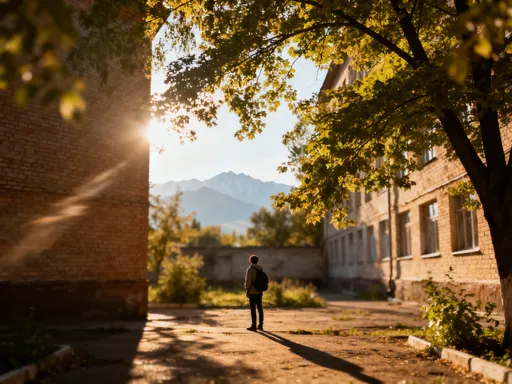
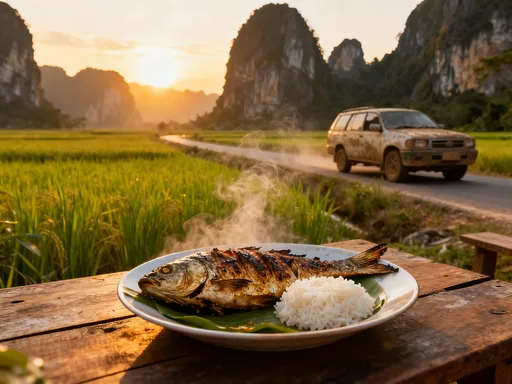
Timing also matters. The best time to drive is early morning or late afternoon. Not only does the light make the karst mountains glow in golden hues, but you’ll also avoid the midday heat and the peak of tourist traffic. We started our drives around 7 a.m., when the mist still clung to the rice fields and the air was cool. By doing so, we arrived at village markets just as they opened, giving us first pick of the day’s freshly made dishes. Driving during these quieter hours also meant more natural interactions with locals, who were often just beginning their day and happy to share a smile — or a recommendation.
The Food Scene No One Talks About
Most travel articles describe Vang Vieng as a hub for adventure tourism — tubing, rock climbing, zip-lining. And while those activities are popular, they overshadow a quieter, more enduring attraction: the food. What we discovered on our drive was a culinary landscape rich in tradition, simplicity, and deep flavor. This isn’t fine dining with linen tablecloths; it’s food made with care, often over open flames, using ingredients sourced from nearby farms, forests, and rivers.
Lao cuisine is often misunderstood as being too spicy or too unfamiliar, but in reality, it’s built on balance — sour, salty, spicy, and umami all coexisting in a single bite. The food in Vang Vieng reflects the broader Lao palate but with subtle regional touches. Due to its location along the Nam Song River and its history of regional trade, you’ll notice gentle influences from Thai and even French cooking. You might find a baguette served alongside sticky rice, or a salad dressed with lime and fish sauce that carries a hint of herbal brightness uncommon in other regions.
At the heart of every meal is sticky rice, known locally as khao niao. More than just a side dish, it’s the centerpiece — used as both utensil and sustenance. Diners pinch off small balls with their fingers, dip them into sauces or soups, and use them to scoop up bites of meat or vegetables. We quickly learned that refusing sticky rice was like declining the host’s hospitality. Eating it the local way — with your hands, seated on a low wooden bench — immediately made us feel more connected to the people and place.
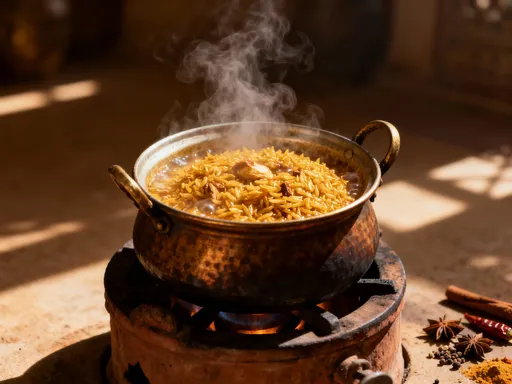
Some of the most memorable dishes we tried included laap, a minced meat salad fragrant with lemongrass, mint, and toasted rice powder. Each region has its version — chicken, pork, fish, even mushroom for vegetarians. Then there was som tam, the spicy green papaya salad that packs a punch but is always balanced with a touch of palm sugar and lime. We also fell in love with or lam, a herbal stew from central Laos that combines eggplant, meat, and wild herbs into a thick, savory dish often served with a side of bitter greens. These aren’t exotic novelties — they’re daily staples, eaten by families across the country, and tasting them in the countryside made them feel more genuine than any restaurant version could be.
Dining With a View: Where Scenery Meets Flavor
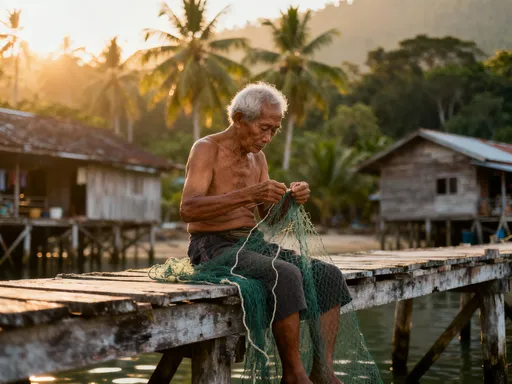
In Vang Vieng, the line between dining and sightseeing often blurs. Some of the best meals we had were served on rickety wooden platforms beside the Nam Song River, where the only soundtrack was the gentle rush of water and the sizzle of fish on the grill. These open-air kitchens, often run by a mother and daughter team, offer front-row seats to one of the most dramatic landscapes in Southeast Asia: limestone karsts rising like ancient sentinels from emerald-green rice paddies.
One unforgettable lunch stop was at a small café perched on a riverbank just outside town. There were no menus — just a chalkboard with a few Lao words and a display of grilled meats and fresh vegetables. We pointed at a whole fish, which the cook promptly cleaned and stuffed with lemongrass and kaffir lime leaves before placing it on the charcoal. As it cooked, we sipped cold Laos Beer and watched boats drift by. When the fish arrived, crispy-skinned and fragrant, served with a spicy jaew dipping sauce and a basket of sticky rice, it felt like the perfect marriage of place and plate.
Other times, we found ourselves eating at hillside rest areas, often no more than a few tables under a thatched roof. These spots cater to truck drivers and local travelers, offering hearty portions at low prices. But what made them special was the view. Sitting at one such stop, we looked out over a valley bathed in afternoon light, with farmers tending to their fields far below. The food — a simple stir-fry of morning glory with garlic and chilies, served with pork soup — wasn’t fancy, but it was deeply satisfying. The elevation brought a cool breeze, and the quiet made the experience feel almost sacred.
Eating outdoors in Laos isn’t just about convenience — it’s part of the culture. Meals are social, open, and connected to the environment. Whether you’re on a riverbank, in a market stall, or under a shade tree, you’re likely to be surrounded by the sights and sounds of daily life. Children run by with bowls in hand, elders share stories over tea, and dogs nap under the tables. This immersion enhances the flavor of the food itself. A dish tastes different when you can see the rice being harvested, smell the charcoal smoke, and hear the laughter of the family who prepared it.
The Hidden Spots Only Locals Know
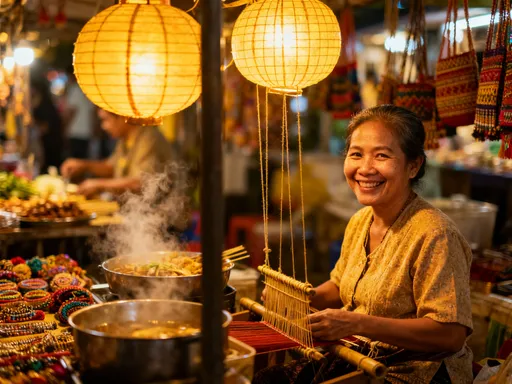
Some of our most cherished meals happened by accident — the result of following our noses or mimicking the choices of locals. In Vang Vieng, the best restaurants don’t have names or online listings. They’re identified by a wisp of smoke, a cluster of motorbikes, or a group of farmers sitting on plastic stools with steaming bowls in hand. These unmarked food shacks are the soul of Lao street food, operating out of converted homes or temporary shelters during the day and disappearing by dusk.
One afternoon, we followed a thin trail of smoke rising from behind a row of banana trees. It led us to a small clearing where an elderly woman was grilling marinated chicken over an open flame. There were no chairs, just a few logs to sit on. She smiled when she saw us, gestured for us to stay, and continued turning the skewers with practiced ease. We ordered by pointing and miming — two hands for two portions, a circular motion for “everything.” What arrived was some of the best grilled meat we’ve ever tasted — juicy, smoky, with a marinade of garlic, soy, and galangal that clung to every bite.
Another unforgettable stop was near a quiet bend in the river, where a family had set up a pop-up stall selling grilled river fish and herbal soups. They weren’t advertising — they were simply cooking for their relatives and anyone else who happened by. We sat on bamboo mats under a tarp, sharing space with a group of local construction workers. Communication was minimal — mostly smiles and hand gestures — but the warmth was immediate. They offered us extra chili paste, poured us water from a large jug, and laughed when we struggled to eat fish with our fingers. That meal, eaten in silence except for the sound of the river and the occasional burst of laughter, felt more intimate than any formal dinner.
These moments reminded us that some of the best travel experiences aren’t found in guidebooks or apps. They come from slowing down, being curious, and trusting the unspoken invitations of a place. In Laos, where hospitality is woven into the culture, strangers are often welcomed like long-lost relatives. By stepping off the tourist trail and into these humble spaces, we didn’t just eat — we belonged, even if only for a short while.
What to Eat — And How to Order It
For travelers unfamiliar with Lao cuisine, the menu can seem daunting. But with a few key phrases and an open mind, ordering becomes part of the adventure. The good news is that many roadside vendors are used to foreign guests and appreciate any effort to speak their language, even if it’s just a few words.
Start with the basics. Khao niao (sticky rice) is a safe and essential order. Sai oua is a flavorful Lao sausage made with minced pork, lemongrass, and chilies — highly recommended. Laap (sometimes spelled larb) is a minced meat salad that comes in many varieties; if you’re unsure, go for chicken or pork. Som tam is the spicy papaya salad — ask for “mild” if you’re sensitive to heat, or “no chili” if you want to play it safe. Or lam and kaeng nor mai (bamboo shoot soup) are excellent vegetarian options, rich with forest herbs and vegetables.
When ordering, simple phrases go a long way. “Sawatdii” means hello. “Mai phet” means not spicy. “Hok hai” means please recommend something. Even if your pronunciation is off, locals appreciate the attempt and will often respond with patience and kindness. If language fails, pointing works — especially at someone else’s plate. We found that many vendors were happy to prepare exactly what another customer was eating, especially if we smiled and nodded enthusiastically.
Don’t be afraid to ask for water or tea. Bottled water is widely available, but in rural areas, it’s common to see large glass jars of cool tea or herbal infusions offered for free. These are often made with local ingredients like lemongrass, ginger, or butterfly pea flower and are both refreshing and safe to drink. If you’re unsure about hygiene, stick to bottled drinks and avoid ice unless it’s clearly made from purified water.
One tip: bring small bills. Most roadside vendors don’t have change for large notes, and prices are usually very low — a full meal might cost as little as $2–3. Paying with exact change shows respect and keeps the transaction smooth. And always remember to say “khob chai” — thank you — before you leave. It’s a small gesture, but it leaves a lasting impression.
Balancing Adventure and Authenticity
What made our drive through Vang Vieng so memorable wasn’t just the scenery or the activities — it was the rhythm of the journey. We didn’t rush from one landmark to the next. Instead, we let the road guide us, pausing whenever hunger struck or curiosity called. These food breaks weren’t just about refueling; they became cultural touchpoints, moments of connection that added depth to the trip.
Sharing a meal with locals, even without words, created a sense of kinship. At one stop, we sat beside a farmer who offered us a taste of his homemade chili paste. We couldn’t understand each other’s language, but we communicated through gestures, facial expressions, and the universal language of good food. He laughed at our spice tolerance — or lack of it — and proudly showed us photos of his family on his phone. These interactions, brief as they were, made the place feel more real than any brochure ever could.
Food also helped us understand the pace of life in rural Laos. Meals are not rushed. They’re savored, shared, and often extended with tea or conversation. By adopting this slower rhythm, we found ourselves more present, more observant, and more appreciative of the small details — the way sunlight filtered through banana leaves, the sound of a distant rooster, the smell of wood smoke in the air. These sensory moments, paired with the taste of freshly grilled meat or warm sticky rice, created a kind of mindfulness that travel often promises but rarely delivers.
In a world where tourism can feel increasingly curated and commercialized, eating locally offered a return to authenticity. It reminded us that travel isn’t just about seeing new places — it’s about experiencing them with all your senses. And sometimes, the most powerful memories aren’t of monuments or vistas, but of a shared meal under a thatched roof, eaten with your hands, surrounded by strangers who treated you like family.
Planning Your Own Flavor-Filled Road Trip
If you’re considering a self-drive journey through Vang Vieng, a little preparation goes a long way. First, choose the right vehicle. Compact SUVs or sturdy hatchbacks are ideal — they handle the main roads well and can manage most side paths. Rent from a reputable agency in Vientiane or Vang Vieng town, and inspect the car thoroughly before departure. Make sure it has spare tires, basic tools, and air conditioning — the latter is especially important during the hot season.
Driving in Laos is on the right, and while road signs are improving, they’re not always reliable. A GPS with offline maps is essential. Google Maps works well if you download the area in advance, but consider using a dedicated navigation app like Maps.me for rural routes. Always carry a physical map as backup. Road conditions are generally good on Route 13, but secondary roads may be unpaved or poorly marked. Drive cautiously, especially at night, when visibility is low and animals or motorbikes may appear suddenly.
The best time to visit is between November and February, when temperatures are cooler and rainfall is minimal. This is also the dry season, so rivers are lower, roads are firmer, and outdoor dining is more comfortable. March through May can be extremely hot, while June to October brings the rainy season — beautiful for lush scenery but challenging for driving.
As for what to pack, bring reusable water bottles, snacks for long stretches, and a small cooler for drinks. Sunscreen, hats, and lightweight clothing are musts. Don’t forget a small first-aid kit and any personal medications. For food adventures, a small notebook to jot down dish names or restaurant locations can be helpful — especially if you want to revisit a favorite spot.
Finally, go with an open heart and an empty stomach. Let the journey unfold naturally. Stop when you see smoke, follow the locals, and don’t be afraid to point at someone else’s plate. Some of the best meals have no names, no menus, and no addresses — just warmth, flavor, and the quiet joy of discovery.
This journey through Vang Vieng wasn’t just a road trip — it was a sensory reset. The combination of open roads, jaw-dropping landscapes, and deeply personal food experiences created something unforgettable. It reminded me that the best travel moments often happen when you’re not looking: a shared smile over a steaming plate, the smell of charcoal grills at sunset, or a random stop that becomes a highlight. If you ever go, don’t just pass through — slow down, roll down the windows, and let the flavors guide your way.