You Won’t Believe These Hidden Viewpoints in Nice
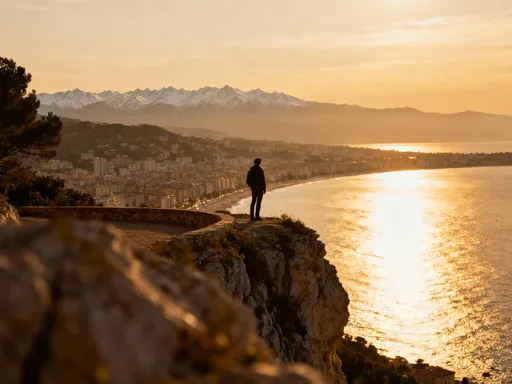
When I first visited Nice, I thought I’d seen it all—from the Promenade des Anglais to the Old Town. But what truly blew me away were the city’s secret viewpoints, where the Mediterranean sparkles like crushed diamonds and the Alps frame the skyline. These spots aren’t always on postcards, but they’re where Nice reveals its soul. Let me take you to the best vantage points that locals love and travelers rarely find—each offering a unique, unforgettable perspective. More than just scenic overlooks, these places invite stillness, wonder, and a deeper connection to the rhythm of coastal life. In a city celebrated for its beauty, the most breathtaking moments often come when you step slightly off the beaten path.
Why Viewpoints Make or Break a Trip to Nice
Travel is not only about the places you visit, but how you experience them. In a destination like Nice, where the natural landscape plays such a vital role in its charm, choosing the right viewpoints can elevate a simple trip into something transformative. A panoramic vista—where the deep blue of the Mediterranean meets the soft curves of the French Riviera coastline—has the power to slow time, calm the mind, and imprint lasting memories. Studies in environmental psychology suggest that exposure to expansive natural views reduces stress and enhances emotional well-being. In Nice, this effect is amplified by the convergence of sea, sky, and mountain, creating a sensory harmony that few cities can match.
For many visitors, the experience of Nice begins and ends along the Promenade des Anglais. While iconic, this seaside walk offers only one angle of the city’s beauty. Those who seek elevated or secluded vantage points often discover a richer, more intimate understanding of its character. A well-chosen viewpoint does more than provide a photo opportunity—it fosters connection. It allows travelers to pause, reflect, and absorb the essence of a place beyond its postcard image. Whether it’s the golden glow of sunset over the Baie des Anges or the quiet hush of dawn from a hilltop garden, these moments become anchors in the memory of a journey.
Moreover, strategic use of viewpoints can improve trip satisfaction by offering contrast and variety. Alternating between bustling streets and serene overlooks creates a balanced rhythm, preventing sensory overload and allowing for mental restoration. For families, couples, or solo travelers alike, incorporating scenic pauses into an itinerary supports mindfulness and presence. The best travel experiences are not measured in miles covered, but in moments truly felt. By intentionally seeking out exceptional views, visitors unlock a deeper layer of Nice—one defined not by crowds or checklists, but by peace, perspective, and the quiet awe of natural beauty.
Colline du Château – The Classic with a Twist
No discussion of Nice’s viewpoints would be complete without mentioning Colline du Château, the historic hill that rises dramatically between the Old Town and the sea. Once home to a medieval fortress destroyed in the 18th century, this park-topped promontory now serves as one of the city’s most beloved lookouts. What makes it exceptional is not just its elevation, but the dual perspectives it offers: one side opens to the sweeping arc of the Baie des Anges, while the other gazes down into the terracotta rooftops and narrow alleyways of Vieux Nice. From this vantage, the city feels both grand and intimate, a tapestry of history and light.
Visitors can reach the top by climbing a wide stone staircase lined with lush greenery and cascading bougainvillea, or by taking a gentle elevator on the northern side—an accessible option for families and older travelers. The ascent itself is part of the experience, with small fountains, shaded benches, and hidden corners that invite quiet contemplation. Once at the summit, the panoramic view unfolds in all its glory. On clear days, the water shimmers in shades of sapphire and turquoise, dotted with sailboats and framed by the distant peaks of the Alps. It’s a sight that draws photographers, couples, and solitary wanderers alike, each seeking their own moment of stillness.
Timing is key to fully enjoying Colline du Château. Early morning visits offer soft light and fewer crowds, ideal for peaceful reflection or photography. Late afternoon brings golden hour, when the sun casts a warm glow across the bay and the city begins to sparkle. Avoid midday in summer, when the stone steps and open viewpoints can become uncomfortably hot. A helpful tip: don’t rush down the same way you came up. Instead, take the lesser-known path behind the waterfall, which winds through shaded groves and offers unexpected glimpses of the port and surrounding hills. This route adds a sense of discovery to the visit, turning a popular destination into a more personal journey.
Parc Phoenix – Unexpected Elevation and Serenity
Just north of the city center lies Parc Phoenix, a tranquil green oasis that remains under the radar for many tourists. Originally established in the 1980s and recently renovated, this expansive park combines botanical beauty with subtle elevation, offering some of the most soothing views in Nice. Unlike the dramatic cliffs or coastal lookouts, Parc Phoenix provides a gentle, rolling landscape where families can relax while still enjoying panoramic sightlines over the city and glimpses of the Mediterranean in the distance. Its centerpiece—a massive glass conservatory shaped like a ship’s sail—houses exotic plants and butterflies, but it’s the park’s natural hills and open lawns that create quiet vantage points perfect for reflection.
One of the most rewarding spots is the elevated walkway near the children’s farm, where a slight rise in the terrain opens up a wide vista. From here, the urban skyline blends seamlessly with the natural backdrop, and on clear evenings, the first lights of the city twinkle like stars come to earth. The park’s design encourages slow exploration, with winding paths, shaded benches, and open spaces that invite picnics and quiet conversation. It’s especially popular with local families, who come to let children play freely while enjoying the fresh air and unobstructed views.
Accessibility is one of Parc Phoenix’s strengths. Served by tram line 2 (stop: Parc Phoenix), it’s easy to reach without a car. The park is open year-round with extended hours in summer, making it ideal for a relaxed half-day outing. Facilities include restrooms, snack kiosks, and ample parking, ensuring comfort for all visitors. What sets this location apart is its peaceful atmosphere—free from the commercial buzz of the waterfront, yet rich in natural beauty. Whether you’re seeking a place to unwind with a book, enjoy a family lunch, or simply gaze at the horizon, Parc Phoenix offers a refreshing counterpoint to the more crowded tourist zones of Nice.
Promenade du Paillon – Urban Vista with Rhythm
Stretching from the heart of downtown Nice to the edge of the sea, the Promenade du Paillon is a masterclass in urban design that seamlessly blends green space with city life. Once the site of a covered river, this linear park now serves as a scenic corridor that guides the eye from the bustling Cours Saleya market to the open horizon. While not elevated, its open layout and deliberate sightlines create a series of natural viewpoints, especially effective at dusk when the city’s lights begin to reflect off the water. The promenade’s wide walkways, dotted with fountains and shaded by tall palms, offer a rhythmic experience—each turn revealing a new perspective on the city’s relationship with the sea.
The southern end of the promenade, near the Albert I Gardens, provides one of the most photogenic urban vistas in Nice. Here, the alignment of trees and pathways frames the Mediterranean like a living painting. As the sun sets, the sky shifts through hues of rose and gold, mirrored in the pools of the dancing fountains. Locals often gather on the wide steps leading down to the water, sitting together in quiet appreciation. This is not a hidden spot, but one that rewards mindful observation. The contrast between the structured elegance of the park and the wild beauty of the sea beyond creates a powerful visual dialogue.
What makes the Promenade du Paillon particularly accessible is its central location and ease of navigation. It’s perfect for a late afternoon stroll after exploring the Old Town or shopping along Avenue Jean Médecin. Benches are plentiful, and small cafes line the northern end, offering refreshments with a view. For families, the interactive fountains are a hit with children, while the wide, flat path is ideal for strollers and wheelchairs. Unlike more tourist-heavy areas, this promenade is deeply integrated into daily life, offering a genuine sense of how Nice residents enjoy their city. It’s a reminder that beauty doesn’t always require remoteness—sometimes, it’s found in the thoughtful design of shared urban spaces.
Monastère de Cimiez – Tranquility Above the City
Nestled in the Cimiez neighborhood, high above the northern edge of Nice, the Monastère de Cimiez is a place of quiet reverence and sweeping views. Home to a community of Franciscan monks since the 17th century, the monastery and its surrounding gardens offer a rare blend of spiritual calm and natural beauty. The terraced gardens, planted with olive trees, cypress, and fragrant herbs, slope gently downward, providing elevated vantage points over the city’s rooftops and the rolling hills beyond. From this height, Nice appears softer, more serene—its urban energy muffled by distance and greenery.
The historical depth of the site enhances its emotional resonance. Adjacent to the monastery are the ruins of a Roman amphitheater and baths, remnants of the ancient city of Cemenelum. Walking among these stones, one feels the layers of time—Roman, medieval, modern—all coexisting in a single landscape. The nearby Musée d’Archéologie de Cimiez adds context, housing artifacts that tell the story of this once-important settlement. Together, the monastery, ruins, and museum create a cultural triangle that rewards slow, thoughtful exploration.
Visitors often describe the atmosphere here as meditative. The scent of rosemary in the breeze, the soft murmur of the monks’ chants, and the panoramic views combine to create a sense of peace that is increasingly rare in modern travel. The best times to visit are late morning or early afternoon, when sunlight bathes the gardens in a soft glow. A small entrance fee grants access to the museum and gardens, and guided tours are available for those interested in the site’s religious and historical significance. For travelers seeking a moment of stillness, Monastère de Cimiez offers not just a view, but a sanctuary.
Mont Boron – The Local’s Secret Overlook
For those willing to venture slightly beyond the usual tourist routes, Mont Boron offers one of the most breathtaking—and least crowded—views of the entire Baie des Anges. This residential hill, located east of the city center, rises steeply from the coastline, culminating in a network of quiet paths that lead to unobstructed panoramas. Unlike the more accessible lookouts, Mont Boron retains an authentic, lived-in charm. There are no souvenir stalls, no guided tours—just narrow streets lined with villas, bougainvillea spilling over stone walls, and the occasional nod from a local out walking their dog.
The most rewarding route is the coastal path that loops around the southern face of the hill. Accessible by bus line 15 (stop: Mont Boron) or a scenic hike from the Port Lympia area, this trail offers continuous views of the sea and the city stretching behind you. At its highest point, the vista opens fully: the entire curve of Nice’s coastline unfolds like a map, with the Alps rising in the distance and sailboats dotting the horizon. It’s a favorite among locals for sunrise walks, when the first light turns the water to liquid gold and the city awakens in silence.
What makes Mont Boron special is its sense of discovery. Because it’s not listed in every guidebook, it remains relatively untouched by mass tourism. Families come here for weekend picnics, couples for quiet conversations, and photographers for unspoiled shots. The air is fresher, the pace slower. There are no formal facilities, so it’s wise to bring water and wear sturdy shoes, especially if hiking. But for those seeking an authentic experience—one that feels personal rather than performative—Mont Boron delivers. It’s a reminder that some of the best views are found not by following the crowd, but by listening to the whispers of those who know the city best.
Belvédère de Tête de Chien – Off the Beaten Path Beauty
Just a short distance from Mont Boron lies one of Nice’s best-kept secrets: the Belvédère de Tête de Chien, or “Dog’s Head Lookout.” Named for the rocky outcrop that juts dramatically into the sea, this vantage point is accessible via a moderate 20-minute hike from the Chemin de la Madone. The trail winds through Mediterranean scrub, with views opening gradually until, suddenly, the full panorama bursts into view. From this elevated perch, the coastline stretches endlessly in both directions, and on exceptionally clear days, the island of Corsica can be seen shimmering on the horizon—a rare and magical sight.
The name may sound whimsical, but the experience is profoundly moving. The rock formation resembles a crouching animal gazing out to sea, and standing at its edge, one feels both small and connected—to the vastness of the ocean, the timelessness of the landscape, and the quiet courage of those who seek such places. The site is popular with hikers, birdwatchers, and photographers, drawn by the raw beauty and lack of commercial development. There are no railings, no signs, no vendors—just nature in its unfiltered form.
Because the path can be rocky and uneven, proper footwear is essential. Sun protection is also crucial, as there is little shade along the trail. The best times to visit are early morning or late afternoon, when the light is soft and the heat less intense. While the hike requires a bit more effort than other viewpoints, the reward is solitude and a sense of achievement. Few places in Nice offer such an unmediated encounter with the sea and sky. For travelers who value authenticity over convenience, the Belvédère de Tête de Chien is not just a destination, but a pilgrimage to the wild heart of the Riviera.
Conclusion: Seeing Nice Through New Eyes
Nice is a city of many faces—glittering and historic, cosmopolitan and serene. Its most famous landmarks will always draw crowds, and rightly so. But the true depth of its beauty reveals itself in the quiet moments, the elevated glances, the hidden corners where the soul of the city breathes freely. The viewpoints explored here—Colline du Château, Parc Phoenix, Promenade du Paillon, Monastère de Cimiez, Mont Boron, and the Belvédère de Tête de Chien—each offer more than just a view. They offer perspective. They invite reflection. They connect us to the natural and cultural layers that make Nice not just a destination, but a feeling.
In an age of fast travel and curated experiences, there is profound value in slowing down, stepping off the main path, and seeking out spaces that belong to no one and everyone at once. These vantage points remind us that beauty is not always loud or crowded. Sometimes, it is found in the hush of a monastery garden, the stillness of a coastal cliff, or the shared silence of a sunrise seen from a hilltop known only to locals.
To truly see Nice is to look beyond the postcard. It is to climb a few extra steps, follow a quiet trail, and allow the city to reveal itself in its many moods—golden at dawn, soft at dusk, eternal under the stars. Whether you are visiting for the first time or returning after years away, let these hidden viewpoints guide you to a deeper, more meaningful experience. In the end, the best travel memories are not of places, but of moments—of standing still, breathing deeply, and seeing the world, and yourself, through new eyes.