You Won’t Believe These Hidden Natural Wonders Near Lucerne
If you think Lucerne is just lakes and mountains, think again. Nestled in central Switzerland, this region holds some of the most breathtaking natural wonders—quiet alpine valleys, crystal-clear waterfalls, and untouched forests that feel like another world. I recently spent a week exploring off-the-beaten-path spots, and honestly, it changed how I see nature travel. This isn’t just a postcard scene—it’s real, raw, and deeply peaceful. Away from the cruise boats and souvenir shops, there’s a quieter side of Lucerne where the air smells of pine, the only sounds are wind and water, and the beauty feels personal. This is not about ticking off landmarks. It’s about stepping into a slower rhythm, where nature speaks softly but leaves a lasting impression.
Why Lucerne Is More Than a Postcard
Lucerne is world-famous for its picture-perfect lakefront, the iconic wooden Chapel Bridge, and the majestic silhouette of Mount Rigi rising in the distance. These sights are undeniably beautiful, and for good reason. Yet, they represent only one side of the region—a polished, accessible version of Swiss alpine charm. What many travelers miss is that just a short distance from the city center, the landscape transforms into something wilder, quieter, and profoundly more intimate. Beyond the well-trodden paths lies a network of hidden valleys, secluded trails, and pristine natural settings that remain untouched by mass tourism.
The contrast between the popular attractions and these lesser-known natural spaces is striking. While the lake promenade buzzes with visitors in summer and the cable cars to Mount Pilatus fill quickly, just a thirty-minute train or bus ride away, you can walk for hours without seeing another soul. These areas are not hidden because they’re inaccessible; they’re overlooked because they don’t appear on every tourist map. And that’s exactly what makes them special. They offer a rare opportunity to experience Switzerland’s natural beauty without the crowds, allowing for a deeper, more personal connection with the environment.
Escaping the tourist hubs doesn’t mean sacrificing comfort or safety. On the contrary, the Swiss infrastructure ensures that even remote-feeling areas are well-connected by public transport, clearly marked trails, and thoughtful amenities. But the moment you step onto a trail that winds through a quiet meadow or follows a mountain stream into a forested ravine, the change is immediate. The pace slows. Your senses sharpen. You begin to notice the way light filters through the trees, the sound of distant cowbells, the coolness of the air at higher elevations. This is where travel becomes more than sightseeing—it becomes a form of presence.
The Magic of Early Mornings in the Alpine Valleys
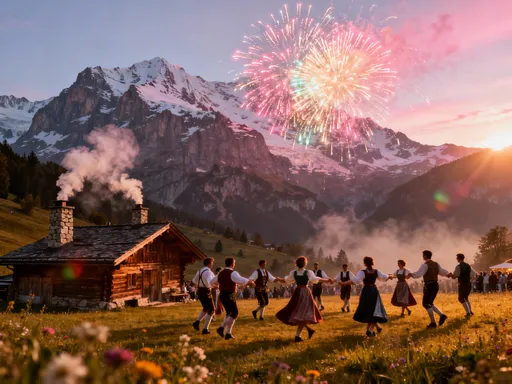
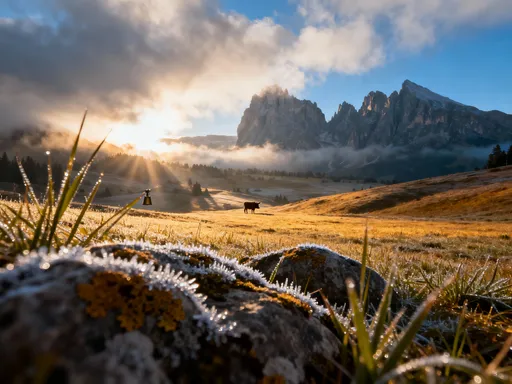
There’s a particular kind of stillness that only exists in the alpine valleys of central Switzerland in the early morning. I experienced it firsthand during a hike near Melchsee-Frutt, a high-altitude destination reachable by cable car from the village of Innertkirchen. Arriving just after sunrise, I found the meadows cloaked in a soft mist, the surrounding peaks still shadowed, and the air crisp and pure. As the sun began to rise above the ridge, golden light spilled across the valley, illuminating wildflowers and grazing cows with their traditional bells gently clinking in the silence.
What made this moment so powerful was not just the beauty, but the solitude. At that hour, I shared the trail with only a few local hikers and a shepherd tending his flock. There were no tour groups, no loud conversations, no distractions. Just the rhythm of my footsteps, the scent of damp earth, and the occasional call of a marmot from a rocky outcrop. This kind of experience is possible—but only if you time it right. Early mornings in the Alps are not just cooler and more comfortable for hiking; they are quieter, more intimate, and far more rewarding for those seeking a genuine connection with nature.
To make the most of these moments, it’s best to start your hike shortly after sunrise. This means leaving your accommodation by 6:30 or 7:00 a.m., depending on the season and trailhead location. Dressing in layers is essential, as temperatures can vary dramatically between the valley floor and higher elevations. A lightweight rain jacket, sturdy hiking boots, and a small backpack with water and snacks are all you really need. The Swiss hiking trails are exceptionally well-marked with yellow signs indicating direction and estimated walking times, so navigation is straightforward even for those unfamiliar with the area.
Locations like Engelberg and Melchsee-Frutt offer excellent access to alpine meadows and gentle trails that are suitable for a wide range of fitness levels. These areas are also less crowded than major peaks like Titlis or Rigi, making them ideal for families, solo travelers, or anyone looking to avoid the midday tourist rush. The early start may require some sacrifice, but the reward—a peaceful, almost sacred encounter with the natural world—is well worth it.
Waterfalls That Feel Like Secrets
Switzerland is known for its dramatic waterfalls, from the powerful Rhine Falls to the cascading Staubbach Falls near Lauterbrunnen. But near Lucerne, there are quieter, lesser-known falls that feel like personal discoveries. One such place is the Aare Gorge, located a short train ride from the city in the canton of Bern. While not entirely unknown, it remains under the radar compared to more famous attractions. Here, the Aare River has carved a narrow passage through limestone rock over thousands of years, creating a deep, winding canyon where water rushes through with a constant, soothing roar.
Walking along the metal pathways that cling to the gorge walls, you’re surrounded by towering rock faces covered in moss and ferns. The air is cool and misty, and sunlight filters in only at certain points, creating an almost mystical atmosphere. At several spots, smaller waterfalls spill directly onto the path or plunge into turquoise pools below. These falls are not grand in height, but their intimacy and power are unforgettable. Standing close, you can feel the spray on your face and hear the deep resonance of water hitting stone—a sound that seems to vibrate through your chest.
Another hidden gem is the series of cascades near Schrattenfluh, a limestone plateau accessible from the village of Erlenbach im Simmental. The hike leads through open pastures and then into a forested ravine where multiple streams converge into small waterfalls during the spring melt. The geology here is fascinating: the Schrattenkalk limestone, formed over 100 million years ago, shapes the flow of water and creates natural basins and chutes. These features are not advertised heavily, and as a result, the trails remain peaceful, often shared only with local hikers or shepherds.
Visiting these waterfalls is safest in late spring and early summer when snowmelt ensures strong flow, but trails are generally clear of ice. By late summer, some streams may slow, but the surrounding greenery remains lush. Proper hiking shoes with good grip are recommended, as rocks near water can be slippery. These sites are protected areas, so visitors are asked to stay on marked paths and avoid disturbing the delicate ecosystem. There are no fences or barriers in many places, which adds to the sense of adventure but also requires caution, especially when traveling with children.
Forest Trails Where Silence Speaks Volumes
In a world that never stops buzzing, finding true silence is a rare gift. Near Lucerne, the dense forests of the Swiss countryside offer exactly that. Trails around Klewenalp and Giswil, for example, lead deep into woodlands where the canopy is so thick that sunlight dapples the forest floor in soft patches. The air carries the clean, sharp scent of pine and damp earth, and the only sounds are the rustle of leaves, the distant call of birds, and the occasional snap of a twig underfoot.
Walking these paths feels like stepping into another dimension—one where time moves differently and the mind begins to quiet. This experience aligns closely with the principles of forest bathing, a practice known in Japan as shinrin-yoku, which emphasizes mindful immersion in nature for mental well-being. While you won’t see signs labeling these trails as “forest therapy,” the effect is the same. Studies have shown that spending time in forests can reduce stress, lower blood pressure, and improve mood. In these Swiss woodlands, the benefits are felt intuitively, even without knowing the science behind them.
The trails near Klewenalp are well-maintained and suitable for all seasons. In winter, they transform into snow-covered paths perfect for snowshoeing, while in summer, they offer shade and coolness on warm days. Giswil, located in the heart of the canton of Obwalden, serves as a gateway to several lesser-known forest routes that connect small mountain villages. These paths often pass by traditional wooden farmhouses and through meadows where cows graze in the summer months, adding a gentle human presence to the natural landscape.
To fully enjoy these forest walks, it’s important to come prepared. Sturdy, waterproof hiking boots are essential, especially after rain when the ground can be soft and muddy. A simple map or a Swiss hiking app—such as the official SchweizMobil app—can help you navigate with confidence. Most trails are marked with the familiar yellow signs, but having a backup is wise, especially in areas where signal may be weak. Above all, remember to stay on designated paths. These forests are home to wildlife and sensitive plant life, and straying off-trail can cause lasting damage. Respect the environment, and it will reward you with peace and beauty.
Lakes Beyond the City: Finding Your Own Slice of Blue
Lake Lucerne is stunning—there’s no denying that. But its popularity means it can get busy, especially during peak season when boats crisscross the water and lakeside towns fill with visitors. For those seeking a more tranquil experience, the region offers smaller, lesser-known alpine lakes that are equally beautiful but far quieter. One such place is Lake Sörensee, a small glacial lake nestled high in the mountains near Melchsee-Frutt. Reached by a moderate hike, it sits in a bowl of rocky terrain, its waters so clear you can see the stones on the bottom. On calm days, the surrounding peaks reflect perfectly in the surface, creating a mirror image that feels almost unreal.
Another hidden treasure is Lag da Tuleritg, a remote lake accessible from the Safien Valley. Though slightly farther from Lucerne, it’s well within reach for a day trip and offers a completely different atmosphere. The trail winds through alpine meadows and pine forests before opening up to the lake, which is surrounded by rugged peaks and dotted with small islets. The water here is cold and pristine, fed by mountain springs, and on quiet afternoons, you might spot trout near the shore or hear the cry of a bird of prey circling overhead.
What makes these lakes special is not just their beauty, but their solitude. Unlike the major lakes, they don’t have restaurants, boat rentals, or souvenir stands. There are no crowds, no loud music, no distractions. Just nature in its purest form. This solitude allows for a deeper appreciation of the landscape. You can sit by the shore, listen to the water lapping against the rocks, and feel a sense of calm that’s hard to find elsewhere. It’s the kind of place where you might forget to check your phone—or even remember you have one.
Reaching these lakes is easier than you might think. Public transportation in Switzerland connects most trailheads, and a combination of train, bus, and cable car can get you close to the starting points. From there, a hike of 30 minutes to two hours is usually all it takes. To avoid other visitors, aim to arrive early in the morning or later in the afternoon, when day-trippers are less likely to venture. Pack a light meal, wear layers, and bring a waterproof jacket—alpine weather can change quickly. And most importantly, leave no trace. These lakes are fragile ecosystems, and preserving their beauty means taking nothing but photos and leaving nothing but footprints.
How to Plan a Private Nature Escape Responsibly
Planning a nature escape near Lucerne doesn’t have to be complicated, but doing it thoughtfully ensures both a rewarding experience and the preservation of these special places. The key is balance: choosing routes that offer seclusion without compromising safety or accessibility. The Swiss hiking network makes this possible, with clearly marked trails rated by difficulty and well-served by public transport. Start by researching lesser-known destinations like those around Engelberg, Giswil, or the Safien Valley, where beauty hasn’t yet drawn large crowds.
Use reliable tools like the SwissTopo map service or the SchweizMobil app to plan your route. These platforms provide detailed trail information, elevation profiles, and real-time updates on conditions. They also show public transport connections, so you can easily combine train, bus, and cable car travel with your hike. Always check the weather forecast before heading out—Swiss weather services like MeteoSwiss are accurate and essential for alpine travel. A sunny morning can turn into a foggy or rainy afternoon, especially at higher elevations.
Equally important is traveling responsibly. The principle of Leave No Trace applies strongly in these pristine environments. This means packing out all trash, avoiding loud noises, staying on marked trails, and not disturbing wildlife or picking plants. Many of these areas are part of working landscapes where farmers graze animals or maintain traditional alpine huts. Respecting their space and property is part of being a thoughtful visitor.
One often-overlooked aspect of responsible travel is digital discretion. While it’s tempting to share stunning photos online, avoid posting exact GPS coordinates or detailed access instructions for fragile or little-known sites. Social media can quickly turn a quiet trail into a crowded hotspot. By keeping some places “unmapped” in the digital world, we help protect their peace and integrity for future visitors. Travel with curiosity, but also with care.
Why These Experiences Change Your View of Travel
The moments that stay with you are rarely the ones you planned. They’re the unexpected pauses: a deer stepping out of the forest at dawn, the sudden clarity of a mountain lake reflecting the sky, the sound of silence so complete it feels like a presence. These are the experiences that reshape how you think about travel—not as a checklist of sights, but as a series of quiet, meaningful encounters. In the hidden natural wonders near Lucerne, that kind of travel is not only possible; it’s waiting just beyond the well-trodden path.
What makes these places transformative is their ability to slow us down. In a world that values speed and efficiency, the alpine valleys, forests, and lakes near Lucerne invite a different pace—one that allows for reflection, presence, and connection. You begin to notice small details: the way light changes on a rock face, the pattern of moss on a fallen log, the coolness of shade after a long climb. These details don’t shout for attention. They whisper. And in listening, we become more aware, more grounded, more alive.
True beauty isn’t always loud or dramatic. Sometimes, it’s the quiet ripple of water in a secluded gorge, the distant echo of cowbells in a misty valley, or the simple act of breathing deeply in a pine-scented forest. These experiences don’t just create memories—they change us. They remind us that travel can be more than entertainment. It can be a form of renewal.
So the next time you plan a trip to Lucerne, look beyond the postcard. Seek out the hidden trails, the silent forests, the secret lakes. Travel not to be seen, but to see. Not to collect experiences, but to live them. With respect, curiosity, and a willingness to wander off the main path, you might just discover that the most beautiful places are the ones few people talk about—but everyone remembers.