Taste of Kuwait: Where Tradition Simmers in Every Bite
Kuwait City isn’t just a hub of Gulf modernity—it’s a hidden gem for food lovers craving authentic flavors. I didn’t expect to fall head over heels for its rich culinary soul, from fragrant machboos to street-side qahwa stands. Every meal felt like a story passed through generations. This is more than dining; it’s cultural immersion, one delicious bite at a time. The city’s skyline may shimmer with glass towers, but its heart beats strongest in home kitchens, bustling markets, and seaside grills where time-honored recipes simmer slowly, releasing not just aroma, but history. In Kuwait, food is memory, identity, and generosity all served on a single platter.
The Heartbeat of Kuwaiti Cuisine: More Than Just a Meal
Kuwaiti cuisine is not simply about sustenance; it is a living expression of heritage, deeply interwoven with the rhythms of family life and national pride. Meals are rarely eaten in haste or solitude. Instead, they unfold as communal events, often around a large shared platter, where conversation flows as freely as the Arabic coffee. This emphasis on togetherness reflects the Bedouin roots of Kuwaiti culture, where hospitality was not just a virtue but a necessity in the harsh desert environment. To offer food to a guest is to extend honor and respect, a tradition so ingrained that refusing a meal can be seen as a slight. The kitchen becomes a stage where warmth is measured not only in spice levels but in the generosity of portions and the sincerity of welcome.
The flavors of Kuwait are the result of centuries of maritime trade and cultural exchange. Positioned at the northern tip of the Arabian Gulf, Kuwait served as a crossroads for merchants from India, Persia, East Africa, and the Ottoman Empire. These interactions left indelible marks on the local palate. Indian influences are evident in the use of turmeric, cumin, and chili, while Persian touches appear in the delicate balance of sweet and savory, as seen in dishes like jeweled rice. Ottoman contributions introduced rich meat stews and layered breads, and African trade routes brought spices like cardamom and cloves, now essential to Kuwaiti spice blends. This fusion did not dilute authenticity; rather, it deepened it, creating a cuisine that is both distinct and diverse.
At the core of Kuwaiti cooking are a few key ingredients that serve as the foundation for most traditional dishes. Rice, especially long-grain basmati, is a staple, often infused with saffron, cinnamon, and bay leaves to create a golden, aromatic base. Lamb and chicken are the most commonly used meats, prized for their richness and ability to absorb complex spice profiles. Seafood, particularly in coastal areas, plays a prominent role, with fish like hamour and zubaidi frequently grilled or fried with minimal seasoning to highlight freshness. Spices are used thoughtfully—never to overwhelm, but to elevate. A blend known as baharat, typically including black pepper, cumin, coriander, and cloves, is a hallmark of many stews and rice dishes. Ghee, or clarified butter, is another essential, lending a deep, nutty richness to everything from breads to desserts.
What sets Kuwaiti cuisine apart is not just its ingredients but its philosophy. Cooking is an act of care, often done from scratch and with patience. Dishes like harees, a slow-cooked porridge of wheat and meat, can take hours to prepare, reflecting a cultural reverence for time and effort in nourishing others. Even in modern households, many families uphold the tradition of preparing large meals for Friday gatherings, when extended relatives come together. In this way, food becomes a vessel for continuity, linking the present to the past through taste and ritual.
Machboos: The National Dish and Its Many Faces
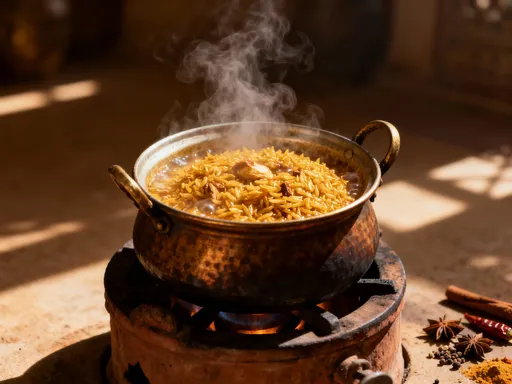
If there is one dish that encapsulates the soul of Kuwaiti cuisine, it is machboos. Often described as the national dish, machboos is more than a meal—it is a culinary emblem of identity, shared across generations and regions. At its core, machboos is a spiced rice dish cooked with meat, typically chicken, lamb, or fish, and infused with a distinctive blend of spices that give it a deep, earthy aroma and a rich, golden hue. The rice is not merely a side but an integral part of the dish, absorbing the flavors of the broth and meat during a slow, careful cooking process that requires attention and experience. The result is a harmonious balance of textures: tender meat, fluffy yet slightly firm rice, and a subtle heat that lingers on the palate.
The preparation of machboos begins with the loomi, or dried black lime, which is pierced and added to the pot to impart a tangy, almost citrusy depth. This unique ingredient is a hallmark of Gulf cooking and sets machboos apart from similar rice dishes in other regions. Alongside loomi, cooks use a mix of whole spices—cardamom, cinnamon, cloves, and bay leaves—that are gently fried in oil to release their fragrance before meat and onions are added. Once the meat is browned, water or broth is poured in, and the mixture simmers until the meat is tender. The rice is then added, and the pot is covered, often with a cloth beneath the lid to trap steam. The final step, known as tahdig, involves letting the bottom layer of rice crisp slightly, creating a prized, caramelized crust that many consider the best part of the dish.
While the basic structure of machboos remains consistent, its variations are numerous and deeply personal. Families guard their own recipes closely, passing down subtle differences in spice ratios, cooking times, or the type of meat used. In coastal areas, machboos bi samak, or fish machboos, is especially popular, often made with firm white fish like hamour. The fish is added toward the end of cooking to prevent overcooking, and the broth takes on a delicate marine sweetness. In inland regions, lamb machboos is more common, with the meat slow-cooked until it falls easily from the bone. Chicken machboos, perhaps the most widely served version, strikes a balance between richness and accessibility, making it a favorite for everyday meals and special occasions alike.
Machboos is not reserved for private homes; it is also a centerpiece at weddings, religious festivals, and national holidays. During Eid celebrations, it is common for families to prepare large pots of machboos to share with neighbors and the less fortunate, reinforcing its role as a symbol of generosity. Even in modern restaurants, machboos is often listed as a signature dish, though connoisseurs agree that the best versions are still found in home kitchens. The dish’s enduring popularity speaks to its ability to adapt while remaining rooted in tradition—a testament to the resilience and pride of Kuwaiti culinary culture.
From Suhoor to Iftar: How Ramadan Elevates the Food Experience
Ramadan transforms Kuwait City into a city of scents, sounds, and shared moments, with food playing a central role in the spiritual and social rhythm of the month. As daylight hours are spent in fasting and reflection, the anticipation of iftar—the evening meal that breaks the fast—builds throughout the day. When the call to prayer echoes across the skyline, families gather around tables laden with dates, water, and a spread of traditional dishes designed to nourish and comfort. The atmosphere is one of gratitude and togetherness, as homes open their doors to relatives, friends, and even strangers. In this sacred month, food transcends mere nourishment; it becomes an act of worship, community, and cultural reaffirmation.
The iftar table in Kuwait is a carefully curated experience, beginning with the prophetic tradition of breaking the fast with dates and water, followed by a variety of appetizers and main courses. Among the most cherished dishes is harees, a creamy porridge made from cracked wheat and slow-cooked meat, often lamb or chicken. Its smooth, comforting texture makes it ideal for rehydrating and replenishing energy after a long day of fasting. Another favorite is mutabbaq, a stuffed pancake filled with spiced minced meat, onions, and sometimes nuts or dried fruit. Crispy on the outside and richly flavored within, mutabbaq is often served hot off the griddle, its aroma filling the home. Soups like lentil or chicken shorba are also common, offering warmth and hydration.
Before dawn, the pre-fast meal of suhoor is equally important, designed to sustain the body through the day ahead. This meal tends to be hearty and slow-digesting, featuring items like ful medames (stewed fava beans), labneh (strained yogurt), olives, and whole-grain breads. Many families also prepare balaleet, a sweet-savory dish of vermicelli noodles sweetened with sugar and cardamom, then topped with a thin omelet. The contrast of flavors—sweet noodles beneath a salty egg—is beloved and uniquely Kuwaiti. Suhoor is often a quieter, more intimate meal, shared in the hush of early morning, but it carries the same sense of care and intention as iftar.
Beyond the home, Ramadan brings a vibrant public food culture to life. Communal iftar tents, often organized by mosques or charitable groups, offer free meals to thousands each night, fostering a spirit of generosity and inclusion. These tents serve generous portions of machboos, grilled meats, and desserts, all prepared in massive quantities with meticulous care. Night markets and food stalls also see a surge in activity, with families strolling after iftar to enjoy sweets, juices, and light snacks. The air is filled with the scent of grilled kebabs and frying sambousa, and children carry lanterns while parents sip qahwa, or Arabic coffee, under string lights. In this way, Ramadan turns the entire city into a shared dining room, where food becomes a bridge between individuals and communities.
Street Food Secrets: Where Locals Actually Eat
While Kuwait City boasts a growing number of upscale restaurants and international chains, the true pulse of its food culture beats strongest on the streets. Away from polished dining rooms and tourist menus, locals flock to unassuming carts, sidewalk grills, and family-run eateries that have been serving the same recipes for decades. These spots, often tucked into residential neighborhoods or bustling markets, offer the most authentic and affordable tastes of Kuwaiti daily life. Here, food is not about presentation or Instagram appeal—it is about flavor, consistency, and tradition. To eat where the locals eat is to experience Kuwait not as a visitor, but as an invited guest.
One of the most iconic street foods is the sambousa, a triangular pastry filled with spiced meat, cheese, or vegetables and deep-fried to golden perfection. Found at nearly every corner shop and bakery, sambousa is a popular snack any time of day, often paired with a cup of strong tea or qahwa. Equally beloved are grilled kebabs, typically made with minced lamb or chicken and served on flatbread with onions, parsley, and tahini sauce. These handheld meals are quick, satisfying, and bursting with smoky, spiced flavors. Another favorite is shaouaya, a whole grilled chicken marinated in a blend of spices and cooked over an open flame, its skin crisp and charred, its juices locked inside.
For breakfast, many Kuwaitis start their day with balaleet, a dish that perfectly captures the Gulf’s love of sweet and savory combinations. Thin vermicelli noodles are cooked with sugar, saffron, and cardamom, then topped with a thin, fluffy omelet. The result is a dish that is both comforting and energizing, often served with a side of dates and labneh. It is commonly found at local breakfast cafes and home kitchens alike, especially during Ramadan. Another staple is chebab, a type of yeasted pancake cooked on a griddle and drizzled with date syrup or honey. Light, airy, and slightly fermented, chebab is often enjoyed with a hot cup of tea.
In recent years, a new wave of food trucks and modern street vendors has begun to blend tradition with innovation. These mobile kitchens offer updated takes on classics—think machboos sliders, saffron-infused burgers, or date milkshakes with a hint of cardamom. While some purists remain skeptical, many Kuwaitis appreciate the creativity and convenience these vendors bring. What remains unchanged, however, is the emphasis on quality and authenticity. Whether served on a paper plate from a cart or plated in a fine dining restaurant, the essence of Kuwaiti street food lies in its honesty—simple ingredients, bold flavors, and a deep respect for the craft of cooking.
Seafood by the Gulf: Fresh Catches and Coastal Flavors
Kuwait’s identity is inseparable from the sea. With over 500 kilometers of coastline along the Arabian Gulf, fishing has been a way of life for centuries, shaping both the economy and the cuisine. Even today, as the country modernizes, the daily rhythm of the fish markets and the sight of traditional dhows returning with their catch remain powerful symbols of heritage. Seafood is not a luxury in Kuwait; it is a staple, enjoyed several times a week in most households. The proximity to the water ensures unparalleled freshness—fish caught in the morning is often on the table by lunchtime, grilled simply with salt and lemon to let its natural flavor shine.
The most prized fish in Kuwaiti cuisine include hamour (grouper), zubaidi (pomfret), and sheri (emperor fish). Hamour, in particular, is considered the king of Gulf fish—its firm, white flesh ideal for grilling, frying, or baking. At local fish markets like the one in Kuwait’s old souq, vendors display their catch on ice, often still glistening with seawater. Customers inspect each fish carefully, looking for clear eyes and a fresh scent, before selecting their choice. The fish is then cleaned and scaled on the spot, sometimes even cut into steaks or fillets upon request. This direct connection between sea and plate ensures that quality is never compromised.
Preparation methods vary, but grilling over charcoal is the most beloved technique, imparting a smoky depth that enhances the fish’s natural sweetness. A simple marinade of lemon juice, garlic, and spices like cumin and paprika is often used, but the focus remains on the fish itself. In restaurants along the corniche, diners can watch as their meal is grilled tableside, the scent of charred fish mingling with the salty sea breeze. Fried fish is another favorite, especially among children, with whole fish or fillets coated in a light batter and served with a side of tartar sauce or spicy daqqus, a chili and tomato relish.
Seafood also features prominently in stews and rice dishes. Fish machboos, as mentioned earlier, is a coastal specialty, while qouzi samak, a whole fish stuffed with spiced rice and nuts, is reserved for special occasions. Even soups and broths often include fish heads or bones to create rich, flavorful bases. The sea, in all its abundance, continues to nourish Kuwaiti life, not just physically but culturally. To eat fresh Gulf seafood is to taste the essence of the nation’s maritime soul.
Sweets, Coffee, and Hospitality: The Rituals That Bind
No meal in Kuwait is complete without sweets and coffee, both of which hold a sacred place in the country’s social and cultural fabric. Desserts are not mere afterthoughts; they are expressions of celebration, generosity, and artistry. Similarly, Arabic coffee—qahwa—is not just a beverage but a ritual, offered to guests as a sign of welcome and respect. Together, sweets and coffee form the closing act of every gathering, a moment of lingering conversation and shared warmth.
Kuwaiti desserts are rich, fragrant, and often syrup-soaked, reflecting Persian and Ottoman influences. Luqaimat, small golden dumplings fried until crisp and drizzled with date syrup or honey, are a national favorite, especially during Ramadan and Eid. Their soft, doughy centers and sticky sweetness make them irresistible. Kleicha, date-filled cookies shaped into crescents or diamonds and dusted with powdered sugar, are another staple, often homemade and gifted during holidays. Other popular sweets include muhallabia, a rosewater-scented milk pudding, and basbousa, a semolina cake soaked in syrup and topped with almonds.
Arabic coffee, brewed from lightly roasted beans and flavored with cardamom, is served in small handleless cups called finjaan. It is typically offered to guests immediately upon arrival, poured from a traditional coffee pot known as a dallah. The host holds the dallah in one hand and a small tray of finjaans in the other, pouring with practiced grace. The coffee is served unsweetened or lightly sweetened, and guests may signal they’ve had enough by gently shaking their cup. This ritual is more than etiquette; it is a gesture of honor, a silent promise of protection and welcome.
These traditions are not confined to homes. In offices, shops, and government buildings, it is common for hosts to offer qahwa and dates to visitors. Even in fast-paced urban life, this custom endures, a reminder that Kuwaiti hospitality is not performative but deeply ingrained. To refuse is to distance oneself; to accept is to belong. In this way, sweets and coffee are not just food—they are the language of connection.
Evolving Tastes: How Modern Kuwait Balances Tradition and Trend
As Kuwait moves confidently into the future, its food culture is undergoing a quiet but profound evolution. While traditional flavors remain cherished, a new generation of chefs, food entrepreneurs, and home cooks is reimagining what Kuwaiti cuisine can be. Fine dining restaurants now offer elevated versions of classics—machboos with saffron foam, or harees presented as a deconstructed tasting plate. Fusion concepts blend Gulf spices with Mediterranean techniques or Asian ingredients, creating dishes that are both innovative and respectful of their roots. This is not a rejection of tradition, but an expansion of it—a way to keep heritage alive in a changing world.
Food festivals, such as the annual Kuwait Food Festival, have become platforms for this culinary dialogue, bringing together street vendors, celebrity chefs, and international guests. These events celebrate both authenticity and creativity, allowing attendees to taste everything from century-old recipes to avant-garde interpretations. Social media has also played a transformative role, with food bloggers and Instagram influencers spotlighting hidden gems and encouraging younger Kuwaitis to take pride in their culinary identity. Hashtags like #KuwaitiEats and #TasteOfKuwait help build a sense of community and continuity.
At the same time, there is a growing awareness of health and sustainability. Some restaurants now offer lighter versions of traditional dishes, using less oil or ghee, while others focus on locally sourced seafood and organic produce. Cooking shows and online tutorials make it easier for families to preserve old recipes while adapting them to modern lifestyles. Schools and cultural centers are also beginning to teach traditional cooking as part of heritage programs, ensuring that knowledge is not lost.
The future of Kuwaiti cuisine is not about choosing between old and new, but about harmony. It is about grandmothers passing down spice blends to granddaughters who post them on TikTok. It is about street vendors and Michelin-inspired chefs alike honoring the same flavors, the same values of generosity and care. In every bite, Kuwait tells its story—one of resilience, adaptation, and enduring warmth. And as long as there is a pot on the stove and a guest at the table, that story will continue to simmer, rich and alive, for generations to come.