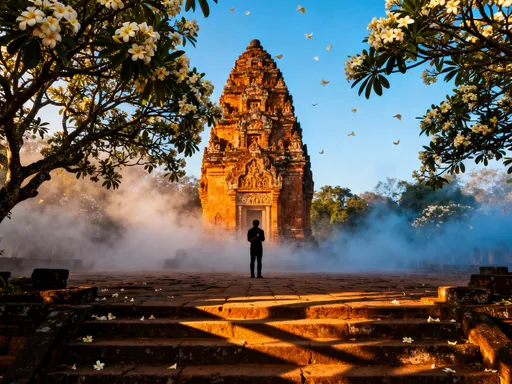
What I Saw in Koh Chang That Changed How I See Thailand
You know that feeling when you think you’ve seen it all, and then a place like Koh Chang hits you with something totally unexpected? I went for the beaches, sure, but what stayed with me was the culture—the quiet moments, the local life, the way tradition lives in every gesture. This isn’t just another tropical escape; it’s a viewing experience that opens your eyes to Thailand’s soul. And honestly? I wasn’t ready for how deep it went.
First Impressions: Beyond the Postcard Beaches
Arriving at Koh Chang, the first thing most travelers notice is the coastline—pale sand curving beneath swaying palms, turquoise water lapping gently under a bright sun. Brochures and travel blogs spotlight these postcard views, and for good reason. But beyond the resorts and beachside cafes lies a different rhythm, one that unfolds quietly and without fanfare. My first morning on the island, I skipped the shoreline and followed a narrow road inland. The air was cool and carried the scent of damp earth and jasmine. Chickens scattered near wooden stilt houses, and an old woman knelt at the edge of her porch, arranging lotus blossoms in a small bowl. This was not performance. This was life.
As the sun climbed, the island stirred not with tourist traffic but with the routines of those who call it home. Children in crisp school uniforms walked barefoot down red-dirt paths. Motorbikes rumbled past with baskets of fruit strapped to the back. In the village of Bang Bao, smoke curled from open-air kitchens where women prepared sticky rice in bamboo tubes. The pace was unhurried, deliberate. There were no loudspeakers or souvenir stalls here, only the distant chime of temple bells and the occasional call to prayer from a small Buddhist shrine tucked beneath a banyan tree. It was a reminder that Koh Chang, for all its growing popularity, still belongs to its people.
What struck me most was the absence of pretense. Unlike more commercialized islands, Koh Chang’s culture is not packaged for consumption. The smiles were genuine, not rehearsed. Greetings were soft and respectful, often accompanied by a slight bow of the head—the traditional wai. I began to understand that the real beauty of this place wasn’t in its Instagrammable sunsets, but in the way daily life unfolded with dignity and grace. The beaches were stunning, yes, but the soul of the island resided in these unscripted moments, in the way people moved through their world with quiet purpose.
The Heartbeat of the Island: Village Life and Traditions
To understand Koh Chang, one must step into its villages. These are not museums or reconstructed heritage sites—they are living communities where tradition is not preserved behind glass but practiced with ease and familiarity. In Salak Phet, a small inland settlement, I was invited to observe the morning alms-giving ritual. Long before the sun rose, families gathered with small baskets of rice, fruit, and cooked dishes. Barefoot and bare-chested, monks in saffron robes walked the narrow roads in silence, accepting offerings with a quiet nod. There were no crowds, no cameras flashing. This was not a spectacle. It was devotion, passed down through generations.
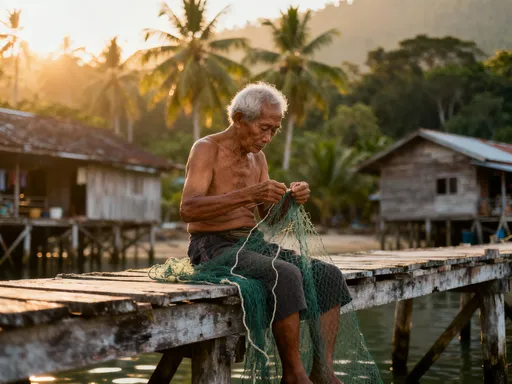
Later that day, I visited a traditional fishing community along the island’s western shore. Houses stood on wooden stilts above the tidal flats, connected by weathered planks. Men mended nets on the shaded docks while children played in the shallows, chasing tiny crabs between the mangroves. One fisherman, his skin bronzed by years under the tropical sun, gestured for me to sit beside him. With slow, deliberate movements, he showed me how to repair a torn net using a bone needle and thick twine. He spoke little English, but his hands told the story—of patience, of necessity, of a life shaped by the tides.
What made these experiences powerful was their authenticity. There was no stage, no audience. These rituals were not performed for tourists. They were simply part of life. In another village, I attended a small temple festival honoring the local guardian spirit. Elders led chants while children lit incense sticks and placed them in a communal urn. A grandmother demonstrated how to fold banana leaves into small cups for offerings, her fingers moving with the ease of decades of practice. I was handed a leaf and invited to try. My attempt was clumsy, but she smiled and corrected my hands with gentle pressure. These moments of inclusion, of being welcomed into the fabric of daily tradition, carried more weight than any guided tour ever could.
Sacred Spaces: Temples That Tell Stories
Koh Chang’s temples, or wats, may not rival the golden grandeur of Bangkok’s Wat Arun or Wat Pho, but they possess a different kind of power—one rooted in intimacy and local meaning. Wat Salak Phet, nestled in a grove of tamarind trees, is one such place. Its ordination hall is modest, its roof tiled in faded green, its walls lined with weathered murals. These paintings, though cracked and softened by time, depict scenes from the Jataka tales—the previous lives of the Buddha. A deer offering itself to a starving man. A monkey king building a bridge of vines. Each image is a lesson in compassion, sacrifice, and moral courage.
What makes these temples compelling is not their scale but their role in daily life. They are not monuments frozen in history but active centers of community. At dawn and dusk, villagers arrive to light candles, place lotus buds at the base of statues, and sit in quiet meditation. Monks move among them, offering blessings or simply sitting in shared silence. I once watched an elderly woman bow three times before a small Buddha image, her hands pressed together in prayer. When she rose, a monk handed her a length of white cotton string, tied loosely around her wrist—a blessing for health and peace. These rituals are not elaborate, but they are deeply felt.
The architecture itself speaks of humility. Unlike the gilded excesses of royal temples, the wats of Koh Chang reflect the island’s simpler way of life. Prayer halls are open on the sides, allowing breezes to pass through. Roofs curve gently, echoing the shape of hills and waves. Statues are often hand-carved from local stone or wood, their features softened by time and touch. There is a sense that these spaces were built not to impress, but to serve. To walk through them is to slow down, to notice the way light filters through palm fronds, the way incense smoke curls in the still air. It is in these quiet details that one begins to see the heart of Thai spirituality—not in grandeur, but in presence.
Cultural Rhythms: Music, Food, and Daily Rituals
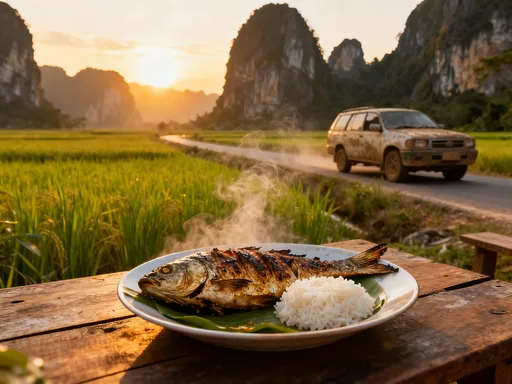
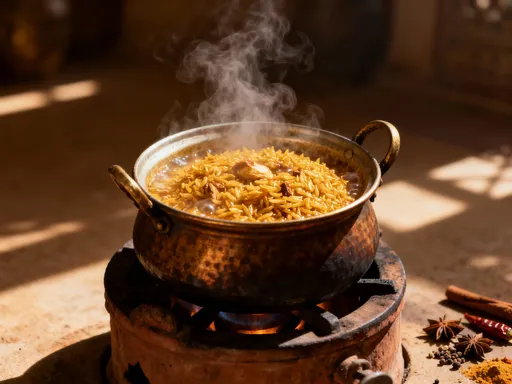
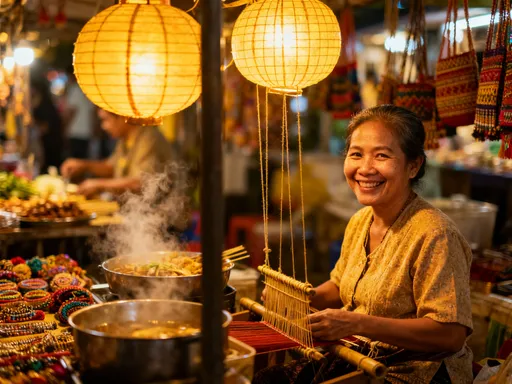
Culture is not confined to temples or festivals. It lives in the way people eat, speak, and move through their days. On Koh Chang, this rhythm is most vivid in its food and music. Street vendors along the roadside sell grilled fish wrapped in banana leaves, seasoned with lemongrass, kaffir lime, and galangal—a dish known as pla pao. The aroma fills the evening air, mingling with the scent of charcoal and coconut husks. I once watched a woman prepare it from start to finish: cleaning the fish, stuffing it with herbs, wrapping it tightly, and placing it on the grill. When she handed me a portion, she said simply, “For you. Good for the soul.” And it was.
Food here is more than sustenance. It is tied to seasons, to Buddhist practice, to family. During Buddhist Lent, many families observe vegetarian diets. Markets display special stalls with meatless versions of favorite dishes—mock duck made from tofu, stir-fried morning glory without shrimp paste. Meals are often shared communally, served on low tables where people sit on woven mats. Even simple dishes carry meaning. Sticky rice, steamed in bamboo tubes, is not just a staple—it is a symbol of unity, of grains clinging together as a family should.
Music, too, flows through daily life. Not the pulsing beats of beach clubs, but the occasional strains of mor lam, a traditional form of Lao and Isan folk music, drifting from an open window. It is rhythmic, storytelling, often humorous or moralistic. I once heard it during a village gathering, where an elder sang about the rains coming late, the fish running thin, and the need to honor the spirits of the land. No microphone, no stage—just a voice, a simple instrument, and an audience of neighbors who nodded in recognition. These moments, unrecorded and unshared online, are where culture breathes most freely.
Off-the-Beaten-Path Encounters: When Locals Share Their World
Some of the most profound experiences on Koh Chang happened by chance. They were not listed in guidebooks, not marked on maps. One afternoon, while walking a quiet coastal path, I noticed a man squatting near a pile of netting, his fingers working swiftly. I paused to watch. He looked up, smiled, and gestured for me to come closer. Without speaking, he handed me a section of net and pointed to a tear. I fumbled at first, but he guided my hands, showing me the knot. We worked in silence for nearly an hour, the only sounds the lapping waves and the cry of gulls. When we finished, he placed a small fish in my palm—his catch of the morning—and nodded. No words were needed.
Another day, in a village near Klong Plu waterfall, I met an elderly woman preparing offerings for her family shrine. She was folding banana leaves into small boats, filling them with rice, flowers, and incense. Curious, I sat nearby. She looked up, studied me for a moment, then handed me a leaf and began to demonstrate. Her hands moved with precision, creasing the edges just so. I tried to copy her, my folds uneven and clumsy. She laughed softly, not unkindly, and corrected my hands. When I finally made one that resembled hers, she nodded in approval and placed it among the others. Later, she invited me to share a simple meal of rice and papaya salad. We ate in silence, broken only by the occasional cluck of chickens and the rustle of palm trees.
These unscripted moments were the most authentic I experienced. They were not tourist interactions. They were human ones. They required no performance, no payment. They asked only for presence, for respect, for a willingness to be still. I learned that true cultural connection does not come from ticking off attractions, but from the space between words—from shared labor, shared meals, shared silence. It is in these moments that one begins to see not just a place, but its people.
Nature and Culture: How the Island Shapes Identity
Koh Chang’s culture cannot be separated from its landscape. The island is more than 70 percent jungle, its interior thick with teak, bamboo, and towering dipterocarps. Rivers cut through limestone gorges, feeding waterfalls that tumble into emerald pools. The coastline is fringed with mangroves, their tangled roots sheltering juvenile fish and crabs. This environment has shaped the way people live for centuries. Fishing is not just an industry—it is a way of knowing the sea. Farmers follow the monsoon cycles, planting rice when the rains come, harvesting when the land dries.
But nature here is not just a resource. It is sacred. Along hiking trails, I noticed small spirit houses tucked beneath ancient trees—miniature shrines with offerings of flowers, rice, and red Fanta. These are not tourist curiosities. They are expressions of belief, rooted in animist traditions that predate Buddhism. Locals believe certain trees, rocks, and streams are inhabited by spirits, and must be honored to ensure safety and prosperity. I once asked a guide why a particular path was avoided. He pointed to a massive fig tree, its roots coiled like serpents. “That one has a guardian,” he said simply. “We do not disturb.”
Seasonal changes also shape cultural life. During the rainy season, many families reduce fishing and focus on repairs, storytelling, and temple visits. The forest becomes more dangerous—paths flood, leeches emerge, snakes move closer to homes. But it is also a time of renewal. Waterfalls swell, fruit trees bear heavily, and the air hums with the sound of cicadas. I learned that on Koh Chang, time is not measured by clocks but by natural rhythms—the tides, the rains, the blooming of certain flowers. To live here is to be in constant conversation with the land. And that relationship—of respect, of reciprocity—is at the core of the island’s identity.
Why This Viewing Experience Matters—And How to Do It Right
What I saw on Koh Chang changed how I see Thailand. It moved me beyond the surface—the beaches, the resorts, the well-trodden paths—into a deeper understanding of what it means to live in harmony with tradition, nature, and community. This kind of viewing experience is not passive. It does not happen from a sun lounger or a speedboat. It requires mindfulness, patience, and a willingness to step off the map. It asks us to slow down, to observe, to listen. It challenges the idea that travel is about collecting sights, and instead suggests it might be about cultivating insight.
So how do we do it right? First, travel slowly. Stay in one place long enough to see beyond the first impression. Visit villages, not just viewpoints. Learn a few phrases in Thai—“sawasdee” for hello, “khop khun” for thank you. These small gestures open doors. Visit during local events, not just high season. Attend a temple fair, a blessing ceremony, a harvest celebration. Support community-based tourism—homestays, local guides, family-run restaurants. These choices keep wealth in the hands of those who steward the culture.
Most importantly, practice the difference between looking and seeing. Looking is passive. Seeing is intentional. It means noticing how an elder folds a banana leaf, how a monk accepts alms, how a fisherman mends his net. It means understanding that culture is not a performance, but a way of being. On Koh Chang, I learned that the most beautiful things are often the quietest—the morning bell, the shared meal, the unspoken kindness of a stranger.
Thailand has long been celebrated for its warmth, its beauty, its hospitality. But on Koh Chang, I discovered a deeper truth: that its soul lives not in the grand gestures, but in the everyday. In the way people honor their ancestors, care for their land, and welcome outsiders with quiet grace. This island didn’t just show me a new place. It taught me a new way of seeing. And that, perhaps, is the greatest gift any journey can offer.